
- Home/
- Buy Ventolin Inhaler in Online Pharmacy Australia
Can Ventolin Inhaler Be Obtained Without a Prescription in Australia?
No, Ventolin Inhaler (salbutamol) requires a valid prescription from a registered medical practitioner in Australia. It is a regulated medication classified under Schedule 4 (Prescription Only Medicine) by the Therapeutic Goods Administration (TGA). Supply without prescription is not permitted.
Key Takeaways: Ventolin Inhaler Use in Australia
- Ventolin Inhaler is mainly suitable for rapid relief of asthma symptoms and is typically prescribed for people with diagnosed asthma or reversible obstructive airway disease.
- Onset of relief is usually within 4–10 minutes after inhalation, but if symptoms persist, immediate medical review is necessary.
- A prescription is required in Australia; self-medication or unsupervised use is not permitted.
- The most important safety consideration is not exceeding the recommended dose and not relying solely on Ventolin for ongoing asthma control.
- If you need to use your Ventolin Inhaler more than twice a week, consult your doctor to reassess asthma management.
- Ventolin Inhaler provides symptom relief but does not treat underlying airway inflammation—controller medications are often needed.
How Does Ventolin Inhaler Work? (Mechanism of Action Explained)
Ventolin Inhaler contains salbutamol, a selective β2-adrenergic agonist. Its main action is on the bronchial smooth muscle in the lungs. By stimulating β2-adrenergic receptors, it activates adenyl cyclase, raising intracellular cyclic AMP levels. This cascade leads to relaxation of bronchial smooth muscle and bronchodilation, which quickly opens constricted airways. The effect is highly specific to the lungs, but some action on vascular and cardiac β2 receptors can occur at higher doses.
To simplify: Think of salbutamol as a “key” that unlocks tight airway muscles, allowing more air to pass through. The inhaled route delivers the medicine directly to the lungs, producing relief within minutes—especially useful during acute asthma symptoms. Importantly, the effectiveness of Ventolin Inhaler does not depend on food intake or circadian rhythms, but proper inhalation technique is critical for optimal results.
Myth vs Reality:
Myth: Ventolin Inhaler cures asthma.
Reality: It relieves symptoms by rapidly opening airways but does not address underlying inflammation. Long-term control typically requires additional medications.
Peak effect occurs within 30 minutes, and the duration of action is typically 4–6 hours. For most patients, relief is noticeable within 4–10 minutes.
References: [Therapeutic Guidelines Australia](https://www.tg.org.au/), [TGA](https://www.tga.gov.au/), [NPS MedicineWise](https://www.nps.org.au/).
Misjudging Asthma Control: A Physician’s Perspective on Ventolin Inhaler Use
In my clinical practice, a recurring misconception I see is patients equating quick symptom relief from Ventolin Inhaler with full asthma control. Many believe that as long as they have the inhaler on hand, their condition is effectively managed. However, frequent reliance on Ventolin often signals poorly controlled asthma, and patients rarely ask how often is “too often.” Another challenge is technique—people may not realise that improper inhaler use drastically reduces the medicine’s effectiveness. Patients seldom inquire whether their relief is due to the medicine working well or simply because of mild symptoms that might have improved anyway. It’s also rare for patients to initiate conversations about long-term risks of overusing rescue inhalers versus needing regular preventer (controller) therapy. I encourage all patients to ask about these issues, as understanding the difference can be life-saving.
How Should You Use Ventolin Inhaler? (Dosage and Instructions)
Standard adult and adolescent dose: 100–200 micrograms (1–2 inhalations) as needed for acute symptoms or before exercise if prescribed for exercise-induced bronchospasm.
- Maximum single dose: 200 micrograms (2 puffs)
- Maximum daily dose: 800 micrograms (8 puffs) in 24 hours
- Children (4–11 years): Typically 100 micrograms (1 puff) as needed, up to 4 times daily, but always follow your doctor’s instructions.
Peak effect: Usually within 30 minutes. Duration: 4–6 hours.
For elderly patients: No specific dose adjustment is generally required, but a lower starting dose and close monitoring are advisable.
Important: Do not exceed the maximum recommended dose. Overuse increases the risk of serious side effects, including heart rhythm disturbances and hypokalaemia (low potassium).
Using with a spacer device: Many Australian guidelines recommend spacers for children and those with poor inhaler technique.
Note: The inhaler cannot be “split” and each actuation delivers a fixed dose. Always shake before use and follow the priming instructions if the inhaler is new or has not been used for several days.
Can You Use Ventolin Inhaler with Food, Alcohol, or Other Products?
Food: Using Ventolin Inhaler is not affected by food intake, as it is delivered directly to the lungs, not absorbed through the digestive system. There is no clinical evidence of food, including fatty meals or grapefruit juice, affecting its action.
Alcohol: Moderate alcohol consumption is not known to interact directly with Ventolin Inhaler. However, alcohol can worsen asthma symptoms and should be consumed cautiously. Heavy drinking can increase the risk of adverse effects such as palpitations or tremors.
Myth vs Reality:
Myth: Ventolin Inhaler can be used freely with any substances because it acts only in the lungs.
Reality: Some medications, foods, or lifestyle factors (including caffeine and alcohol) can amplify side effects or trigger asthma attacks, so always check with your doctor.
Who Should Not Use Ventolin Inhaler? (Contraindications and Red Flags)
- Absolute Contraindications
-
- Known hypersensitivity to salbutamol or any ingredient in the inhaler
- Relative Contraindications / Use with Caution
-
- Severe cardiovascular disorders (e.g., recent myocardial infarction, arrhythmias, uncontrolled hypertension)—risk of arrhythmia or worsening cardiac status
- Thyrotoxicosis—increased risk of heart-related side effects
- Diabetes mellitus—risk of blood sugar elevation
- Seizure disorders
- Hypokalaemia—salbutamol can worsen low potassium, especially if used with diuretics or steroids
Drug Interactions: Do not use with non-selective beta-blockers (e.g., propranolol), as these can block Ventolin’s effect and precipitate bronchospasm.
After a heart attack: Consult your specialist before using Ventolin Inhaler; it may be used under close supervision if benefit outweighs risk.
What Side Effects Are Most Common with Ventolin Inhaler?
- Very Common (>1/10):
-
- Tremor (shakiness)
- Headache
- Common (1/100–1/10):
-
- Increased heart rate (tachycardia)
- Palpitations
- Muscle cramps
- Irritation in the mouth or throat
- Rare (1/10,000–1/1,000):
-
- Hypokalaemia (low blood potassium)
- Arrhythmias
- Paradoxical bronchospasm (worsening of breathing)
- Very Rare (<1/10,000):
-
- Allergic reactions (including angioedema and urticaria)
- Hyperactivity (mainly in children)
Mechanism of most common side effects: The stimulation of β2 receptors in muscle and heart explains most adverse effects—tremor, palpitations, and headache.
What to do if you experience side effects:
- If mild (e.g., tremor, headache): Usually resolve within hours. Reduce dose if possible and discuss with your doctor.
- If severe (e.g., chest pain, rapid heart rate, swelling): Stop use and seek urgent medical attention immediately.
- If you notice worsening breathing after inhaler use: This may be paradoxical bronchospasm. Stop the medication and seek emergency help.
Common Pitfalls: Mistakes Patients Make When Using Ventolin Inhaler
- Incorrect inhaler technique: Failing to coordinate activation and inhalation reduces medicine delivery to the lungs, making the inhaler less effective.
Tip: Ask your pharmacist or doctor to demonstrate correct technique and check regularly. - Overuse as a substitute for controller treatment: Using Ventolin Inhaler more than twice a week without consulting your doctor can mask worsening asthma control.
Tip: If you need Ventolin frequently, review your asthma plan with your doctor. - Not priming the inhaler: Failing to prime a new or unused inhaler leads to under-dosing.
Tip: Always follow the device-specific instructions for priming. - Failure to shake before use: Skipping this step means inconsistent dosing.
Tip: Shake the inhaler well before every puff. - Not cleaning the mouthpiece: This can cause blockages and reduce effectiveness.
Tip: Clean as per manufacturer’s instructions weekly. - Stopping use abruptly without a plan: Suddenly discontinuing without medical advice can leave you unprotected during an asthma attack.
Tip: Always have a written asthma action plan. - Ignoring expiry dates: Using expired inhalers may result in subtherapeutic dosing.
Tip: Check your medicine’s expiry date regularly and replace as needed.
How Does Ventolin Inhaler Compare to Alternatives? (Competitor Analysis)
| Medication | Active Ingredient | Onset of Relief | Duration | Common Side Effects | Approximate Price (AUD, 2026) | Prescription Needed? |
|---|---|---|---|---|---|---|
| Ventolin Inhaler | Salbutamol | 4–10 min | 4–6 hrs | Tremor, palpitations, headache | $14–$21 (200 dose inhaler) | Yes |
| Airomir Inhaler | Salbutamol (different propellant) | 4–10 min | 4–6 hrs | Similar to Ventolin | $15–$22 | Yes |
| Bricanyl Turbuhaler | Terbutaline | 5–10 min | 5–6 hrs | Tremor, headache, palpitations | $25–$30 | Yes |
Bottom line: Ventolin and Airomir both contain salbutamol and have very similar effectiveness, onset, and side effect profile. Bricanyl (terbutaline) works similarly but may be preferred in rare cases of salbutamol intolerance.
Ventolin Inhaler: Key Specifications and Product Information
| Parameter | Value |
|---|---|
| Active ingredient | Salbutamol sulfate 100 micrograms per puff |
| Formulation | Metered dose inhaler (MDI) |
| Number of doses | 200 actuations per inhaler |
| Onset of action | 4–10 minutes |
| Duration | 4–6 hours |
| Storage | Below 30°C, protect from frost and direct sunlight |
| Manufacturer | GlaxoSmithKline Australia |
Compatibility Check: Can Ventolin Inhaler Be Combined with Other Medications?
| Medication / Product Type | Can It Be Combined? | Consequences |
|---|---|---|
| Inhaled corticosteroids (e.g., fluticasone) | Yes | No significant interaction |
| Non-selective beta-blockers (e.g., propranolol) | STRICTLY NO | May block Ventolin’s effect and cause severe bronchospasm |
| Selective beta-blockers (e.g., metoprolol) | Use with caution | Reduced bronchodilator response is possible |
| Diuretics | Yes, but monitor | Risk of hypokalaemia (low potassium) |
| Alcohol | Yes, in moderation | Heavy use may worsen side effects or asthma symptoms |
| Antidepressants (SSRIs) | Yes | No direct interaction |
Always check with your doctor or pharmacist before combining medications.
How Is Ventolin Inhaler Processed in Your Body? (Pharmacokinetics Explained)
Absorption: Salbutamol, when inhaled, is absorbed rapidly via the bronchi with some swallowed portion absorbed from the gut.
Metabolism: The majority undergoes hepatic metabolism in the liver to inactive metabolites.
Elimination: Most is excreted in the urine, either unchanged or as metabolites; a smaller proportion is excreted in faeces.
Half-life (T1/2): Approximately 4–6 hours.
Practical implication: Salbutamol does not accumulate significantly with normal use, but those with severe liver or kidney disease may need closer monitoring.
What Should Specific Patient Groups Know About Ventolin Inhaler?
- Children: Safe and effective use is well established from age 4 and up. Inhaler technique should be checked frequently; spacers improve effectiveness.
- Elderly: No specific dose adjustment is usually needed, but increased sensitivity to side effects may occur.
- Pregnancy: No evidence of teratogenicity in humans, but always consult your doctor. Use only if benefits outweigh risks.
- Breastfeeding: Salbutamol is considered compatible, but use the lowest effective dose.
- Diabetes: May cause small increases in blood glucose; monitor as needed.
- Heart disease: Ventolin Inhaler may worsen arrhythmias or heart rate; use with close medical monitoring.
- Driving and machinery: Does not impair alertness or concentration in standard doses.
- Fertility: No known adverse effects on fertility at therapeutic doses.
Original vs Generic Ventolin Inhaler: What’s the Difference?
Original Ventolin Inhaler is manufactured by GlaxoSmithKline and contains salbutamol sulfate. Generics (e.g., from Alphapharm, Sandoz) contain the same active ingredient and are subject to TGA approval for bioequivalence.
- Excipients (inactive ingredients): May differ, potentially leading to differences in taste, propellant, or rare allergic reactions.
- Effectiveness: Generics must demonstrate equivalent delivery and clinical effect but may use a different inhaler device.
- Cost: Generics are typically less expensive and may be subsidised via the Pharmaceutical Benefits Scheme (PBS).
- Appearance: Packaging, shape, and colour may differ. Always check the label and avoid unfamiliar packaging from unverified sources.
Myth vs Reality:
Myth: Generics are less effective than branded Ventolin.
Reality: TGA-approved generics are equally effective and safe when used as directed.
How to Check Ventolin Inhaler Authenticity in Australia
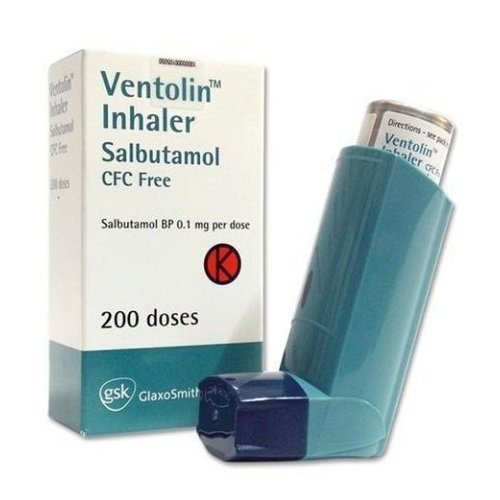
- Packaging: Original Ventolin Inhaler comes in a blue and white sealed box with clear GlaxoSmithKline branding and TGA registration details.
- Labeling: Batch number, expiry date, and Australian Registration Number (AUST R) must be present.
- Device appearance: The inhaler is typically blue with a white mouthpiece. Fonts are clear, and the actuator fits snugly.
- Verification features: Some packs may include a QR code or hologram for authenticity—scan if available.
- Price warning: Unusually low prices or unfamiliar packaging may indicate counterfeit or imported products. Always purchase from a licensed pharmacy.
If in doubt, ask your pharmacist to verify the product or contact GlaxoSmithKline Australia or the TGA directly.
Spotting Counterfeit Ventolin Inhalers: Safety and Savings
Counterfeit inhalers pose serious health risks, including ineffective symptom relief and unknown contaminants. Warning signs include:
- Packaging that is misspelled, poorly printed, or lacks TGA registration
- No batch number or expiry date
- Unusual taste, smell, or appearance compared to your regular inhaler
- Sold by unlicensed online “pharmacies” without requiring a prescription
- Unusually low prices (e.g., 50% less than Australian pharmacy rates)
Generics are not “counterfeit.” They are TGA-registered medicines that meet the same quality standards as the original, but always ensure you receive a legitimate, approved product.
How to Get Ventolin Inhaler in Australia: Step-by-Step Guide
- Consult a Doctor: Book a face-to-face or telehealth appointment with a registered general practitioner (GP) or respiratory specialist.
- Assessment: The doctor will evaluate your symptoms, asthma history, and may perform spirometry or other lung function tests to confirm the diagnosis.
- Prescription: If indicated, the doctor will prescribe Ventolin Inhaler, specifying the dose and usage instructions.
- Pharmacy Fulfilment: Present your prescription at any licensed pharmacy (community or hospital). Digital prescriptions (ePrescriptions) are widely accepted in Australia.
- Medication Collection: The pharmacist will review instructions, check for interactions, and may demonstrate inhaler technique.
- Telehealth and Online Pharmacies: Some regulated online services can dispense and deliver Ventolin Inhaler Australia-wide if you have a valid ePrescription.
- Follow-up: Have regular reviews to reassess asthma control and inhaler use. Your GP or specialist will update your asthma action plan as needed.
Pharmacy Safety: Buying Ventolin Inhaler Online in Australia
- Use only Australian-registered pharmacies—look for a valid Australian Business Number (ABN) and registration with the Pharmacy Board of Australia.
- Check for the Pharmacy Guild of Australia’s Quality Care Pharmacy Program (QCPP) accreditation or equivalent.
- Legitimate online pharmacies will always require a prescription and will not sell Ventolin Inhaler without one.
- Beware of sites offering Ventolin without prescription, at prices far below standard Australian rates, or with international shipping from unknown sources.
- Contact details (including a physical pharmacy address and phone number) should be clearly displayed.
- If in doubt, verify via the Australian Health Practitioner Regulation Agency (AHPRA) or TGA websites.
What to Do in Case of Overdose
- Stop using the inhaler immediately.
- Call Triple Zero (000) or seek urgent medical help.
- Inform emergency personnel or your doctor how much Ventolin Inhaler you have used and when.
- Symptoms of overdose may include severe tremor, rapid/irregular heartbeat, chest pain, weakness, or hypokalaemia (low potassium).
- Do not attempt to treat severe symptoms at home—prompt medical intervention is essential.
Questions Patients Commonly Ask doctor About Ventolin Inhaler
- How will I know if my Ventolin Inhaler is working properly?
- Most patients feel relief from breathing symptoms within 10 minutes of a correct dose. If your symptoms persist or worsen after two puffs, it’s a sign you may need urgent medical review. If the inhaler seems less effective than usual, check your technique or consult a pharmacist.
- Do I need to use my Ventolin Inhaler every day even if I feel fine?
- No—Ventolin Inhaler is usually used “as needed” for relief. If you’re using it daily or more than twice a week, discuss your asthma control with your doctor. This may indicate you need a preventer inhaler.
- What should I expect when I first start using Ventolin Inhaler?
- It’s common to feel mild tremor or notice a faster heartbeat, especially at the start. These usually settle as your body adjusts. Always start with the lowest effective dose and report any severe side effects.
- How do I know when my inhaler is empty?
- Most canisters dispense 200 doses. Some inhalers have dose counters; others require manual tracking. Once you reach 200 actuations, replace the inhaler even if it still “sprays”—remaining puffs may not contain full doses.
- How is my progress monitored after starting Ventolin Inhaler?
- Your doctor will assess symptom frequency and check inhaler technique at regular intervals, often every 3–6 months. You’ll also receive (or update) a written asthma action plan.
- Can I use Ventolin Inhaler before exercise?
- Yes, if your doctor advises. Many people with exercise-induced asthma use it 10–15 minutes before activity for prevention.
- Is it safe to use Ventolin Inhaler during pregnancy?
- Current evidence suggests it’s safe when used as prescribed, but always inform your healthcare provider if you are pregnant or planning pregnancy.
- What if I accidentally use more than the recommended dose?
- If you notice symptoms such as severe tremor, chest pain, or palpitations, seek immediate medical attention. Mild overdoses usually cause temporary symptoms, but always inform your doctor for further advice.
Psychological Support and Empathy
Asthma is a common, manageable condition that affects Australians of all ages. It’s normal to feel anxious about symptoms or medication use. Remember, many people benefit from discussing concerns with their doctor, pharmacist, or a support group. If asthma is impacting your daily life or mental wellbeing, don’t hesitate to seek professional advice.
Clinical Assessment by doctor: Who Is Most Likely to Benefit?
In my clinical assessment, Ventolin Inhaler is best suited for patients with intermittent asthma symptoms, those experiencing acute bronchospasm, or people with reversible obstructive airway diseases who need fast, reliable relief. It’s invaluable for rapid symptom control during attacks, before exercise (if prescribed), or in emergencies. However, for individuals requiring frequent doses (more than twice a week), or those with underlying chronic airway inflammation, the focus should shift towards regular controller therapy—often inhaled corticosteroids—rather than increased Ventolin use. Patients with significant cardiac comorbidities or those at risk of hypokalaemia require particular caution. Alternatives or adjunctive therapies should be considered if side effects develop, control remains suboptimal, or if there are concerns about adherence or technique. Regular review and asthma action planning remain essential for all patients using Ventolin Inhaler.
FAQ: Answers to Common Patient Questions in Australia
- Is Ventolin Inhaler available over the counter in Australia?
- No. Ventolin Inhaler is a prescription-only medicine (Schedule 4) and is not available without a valid prescription from a registered healthcare professional.
- How quickly does Ventolin Inhaler work?
- Relief of symptoms usually begins within 4–10 minutes, with peak effect at about 30 minutes. If symptoms do not improve, seek urgent medical help.
- How much does Ventolin Inhaler cost in Australia?
- The typical price ranges from $14 to $21 for a 200-dose inhaler in 2026. PBS subsidies may apply with a valid prescription.
- What are the most important side effects I should watch for?
- The most common are tremor and headache. Rare but serious effects include chest pain, irregular heartbeat, or worsening breathing—seek immediate medical help if these occur.
- Can Ventolin Inhaler be used during pregnancy and breastfeeding?
- Yes, when clinically indicated and prescribed by your doctor. It is generally considered safe but should be monitored.
- Do I need to prime my Ventolin Inhaler?
- Yes. Prime the device if it’s new or hasn’t been used for more than 5 days by releasing 2–4 test sprays into the air before first use.
- Can I use Ventolin Inhaler with my preventer inhaler?
- Yes. Ventolin Inhaler is for acute relief; preventers (e.g., inhaled steroids) are for daily control. They can be safely used together as advised.
- How do I dispose of empty or expired inhalers?
- Return empty or expired inhalers to your pharmacy for safe disposal; do not dispose of in household rubbish.
- Can I get Ventolin Inhaler delivered to my home in Australia?
- Yes, many registered Australian pharmacies offer home delivery if you have a valid prescription, including via ePrescription.
- What should I do if I miss a dose?
- Ventolin Inhaler is used “as needed” for symptom relief, so there are no scheduled doses. If you experience symptoms, use as prescribed.
References
-
Therapeutic Goods Administration (TGA). Ventolin Inhaler Product Information. Accessed June 2026.
https://www.tga.gov.au/ -
NPS MedicineWise. Salbutamol Information and Guidelines. Accessed June 2026.
https://www.nps.org.au/ -
Asthma Australia. National Asthma Council Clinical Guidelines. Accessed June 2026.
https://www.nationalasthma.org.au/ -
GlaxoSmithKline Australia. Ventolin Consumer Medicine Information. Accessed June 2026.
https://www.gsk.com/en-au/ -
PubMed. Recent Reviews on Salbutamol Efficacy and Safety. Accessed June 2026.
https://pubmed.ncbi.nlm.nih.gov/ -
Australian Government Department of Health. Asthma Management and PBS Data. Accessed June 2026.
https://www.health.gov.au/