
- Home/
- Buy Doxycycline at Low Price in Australia – Fast Delivery Available
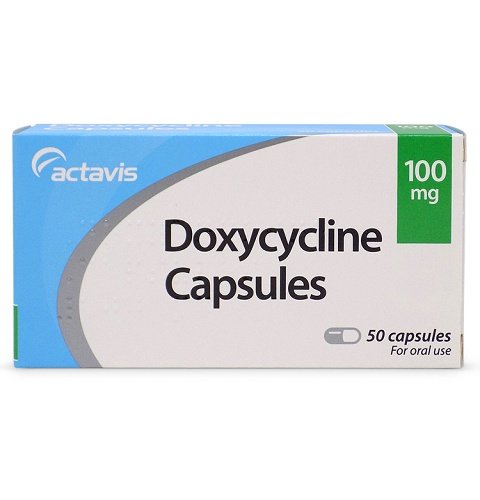
How to Legally Access Doxycycline in Australia: Regulations, Prescription, and Key Facts
Doxycycline is a prescription antibiotic in Australia, used to treat a wide range of bacterial infections. It is illegal to obtain Doxycycline without a valid prescription from a registered Australian medical practitioner. Buying it online from overseas sources or non-accredited websites carries legal and health risks, including counterfeit drugs and customs seizure. Always consult your GP or a specialist for assessment and prescription in accordance with Australian medical guidelines.
Summary: Key Facts About Doxycycline in Australia
| Active Ingredient | Doxycycline |
|---|---|
| Category | Antibiotic (Tetracycline class) |
| Prescription status | Prescription only (Schedule 4, Prescription Medicine) |
| Main Uses | Bacterial infections (respiratory, urinary, skin, STIs, malaria prevention, acne) |
| Common Side Effects | Nausea, diarrhoea, skin sensitivity to sunlight |
| Price (PBS) | From approx. $7–$15 for 25–50 tablets (subsidised under PBS in most cases for eligible conditions) |
| Legal | Unlawful to purchase without a prescription in Australia |
Always follow your doctor’s instructions and obtain Doxycycline through a licensed Australian pharmacy.
What is Doxycycline and When Is It Used?
Doxycycline is a broad-spectrum antibiotic belonging to the tetracycline class. In Australia, doctors prescribe it for the treatment and prevention of various bacterial infections. Common indications include:
- Respiratory tract infections (such as pneumonia and bronchitis)
- Acne vulgaris (particularly moderate to severe cases)
- Sexually transmitted infections (e.g., chlamydia, some cases of gonorrhoea and syphilis)
- Urinary tract infections (in select cases)
- Tick-borne illnesses (such as Q fever, scrub typhus, and Lyme-like illnesses)
- Malaria prophylaxis (short-term prevention for travellers)
- Skin and soft tissue infections
Doxycycline is not effective against viral infections (such as influenza or COVID-19) and should not be used for these purposes.
Expert insight: “I prescribe Doxycycline frequently for acne in teenagers from Perth and for travellers heading to Papua New Guinea to prevent malaria. Its versatility is a major reason for its use in Australian primary care.” — Dr. N. Tran, Infectious Diseases Specialist, Sydney
How Does Doxycycline Work? Pharmacology Explained
- Biochemical Mechanism:
-
Doxycycline inhibits bacterial protein synthesis by binding to the 30S ribosomal subunit. This blocks the attachment of aminoacyl-tRNA to the mRNA–ribosome complex, stopping bacteria from building essential proteins and leading to their death or inability to multiply.
In short: It stops bacteria from growing by jamming their “protein assembly lines.” - Human Metabolism:
- After oral intake, Doxycycline is well absorbed in the gastrointestinal tract, reaching peak plasma concentrations in 1.5–4 hours. It is widely distributed in body tissues and fluids. Metabolism is minimal; elimination happens mainly via faeces (and some urine), which is why it can be used in people with mild kidney impairment.
- Half-life:
- Approximately 18–22 hours in healthy adults. This allows for once- or twice-daily dosing.
Myth vs Reality:
Myth: Doxycycline works instantly.
Reality: Clinical improvement usually begins after 24–48 hours, depending on the infection.
Some strains of bacteria have developed resistance to Doxycycline, so its effectiveness can vary. Your doctor will consider local resistance patterns, particularly for sexually transmitted infections and respiratory tract pathogens.
Dosage and Administration: How Do I Take Doxycycline Safely?
| Condition | Typical Adult Dose | Duration |
|---|---|---|
| Acute infections | 100 mg twice daily (first day: 200 mg), then 100 mg once or twice daily | 7–14 days (depends on infection & response) |
| Acne | 50–100 mg once daily | Weeks to months |
| Malaria prevention | 100 mg once daily | Start 2 days prior, continue to 4 weeks after malaria exposure |
- Do not exceed 200 mg per day without specific medical advice.
- Take with a full glass of water while upright (sitting or standing) to prevent throat irritation.
Remain upright for at least 30 minutes after taking. - Can be taken with food if gastric upset occurs, but absorption is slightly reduced.
- Do not split or chew modified-release tablets. Immediate-release tablets can sometimes be split if scored, but check with your pharmacist.
Dosage adjustments: Generally, no adjustment is required for mild to moderate kidney impairment. In severe liver or kidney dysfunction, discuss with your treating doctor for tailored advice.
Interactions with Food, Alcohol, and Lifestyle: What Should You Avoid?
| Product / Food | Can Be Combined? | Effect / Risk |
|---|---|---|
| Dairy (milk, cheese, yoghurt) | Caution | Reduces absorption of Doxycycline – take at least 2 hours apart |
| Antacids (containing aluminium, magnesium, calcium) | Do NOT combine | Blocks absorption – avoid for at least 2 hours before/after |
| Iron supplements | Do NOT combine | Reduces drug effectiveness – separate by several hours |
| Alcohol | Occasional use | Excessive alcohol may reduce effectiveness and increase liver strain |
| Grapefruit juice | No direct evidence | Not known to cause significant interaction |
| Oral contraceptive pill | Caution | Doxycycline may reduce effectiveness of some contraceptives; use extra protection |
Key tip: Take Doxycycline on an empty stomach, or with a light meal if needed.
Avoid: Dairy, antacids, and iron supplements close to your dose.
Alcohol: Light to moderate drinking is not strictly prohibited, but best avoided. In excessive quantities, alcohol may impact liver function and reduce antibiotic effectiveness.
Who Should Not Take Doxycycline? Absolute and Relative Contraindications
- Absolute Contraindications
-
- Known allergy to Doxycycline or other tetracycline antibiotics
- Children aged under 8 years (risk of permanent tooth discolouration and bone growth inhibition)
- Pregnancy (especially after 16 weeks gestation; possible harm to fetus’s bones and teeth)
- Severe liver dysfunction (drug may accumulate and cause toxicity)
- Relative (Caution) Contraindications
-
- Breastfeeding mothers (may affect infant’s developing teeth and bones)
- Renal impairment (though Doxycycline is safer than some alternatives)
- History of oesophageal disorders (risk of ulceration/inflammation)
- People with lupus or myasthenia gravis (may worsen symptoms)
Important: Doxycycline may interact with anticoagulants (like warfarin), some antiepileptics, and oral contraceptives. Always inform your doctor of all medications and supplements you take.
Why are children and pregnant women advised against Doxycycline?
The drug deposits in growing bones and teeth, potentially causing discolouration and impaired development. Alternative antibiotics are preferred in these groups.
What Are the Most Common Side Effects of Doxycycline?
- Very common (>1 in 10):
- Nausea, vomiting, abdominal pain
- Diarrhoea
- Photosensitivity (skin burns more easily in sunlight)
- Common (1 in 100 to 1 in 10):
- Loss of appetite
- Headache
- Yeast infections (thrush) in women
- Oesophagitis or heartburn (especially if taken while lying down)
- Rare (<1 in 1000):
- Severe allergic reactions (anaphylaxis, swelling, rash)
- Severe skin reactions (Stevens-Johnson syndrome)
- Raised pressure inside the skull (pseudotumor cerebri; causes vision changes, headache)
- Blood disorders
Action if side effects occur: For mild symptoms (nausea, diarrhoea) – discuss with your pharmacist or GP.
If you experience difficulty breathing, severe rash, facial swelling, or vision changes, seek emergency medical care immediately (call 000).
Doxycycline vs Alternatives: How Does It Compare?
| Parameter | Doxycycline | Amoxycillin | Azithromycin |
|---|---|---|---|
| Class | Tetracycline | Penicillin | Macrolide |
| Prescription? | Yes | Yes | Yes |
| Main Uses | Wide range; incl. respiratory, STI, acne, malaria prevention | Respiratory, ear, urinary, skin infections | Chlamydia, respiratory, some skin infections |
| Onset of effect | 24–48 hours | 12–48 hours | 24–48 hours |
| Usable in pregnancy? | No | Yes | Sometimes (consult GP) |
| PBS cost (2026) | $7–$15/pack | $6–$10/pack | $12–$25/pack |
| Key Side Effects | Nausea, sun sensitivity, teeth discolouration | Rash (if allergic), diarrhoea | Stomach upset, diarrhoea, rare heart rhythm effects |
Bottom line: Doxycycline is often preferred for tick-borne illnesses, acne, and as a malaria prophylactic. Amoxycillin is first-line for many respiratory infections, especially in children and pregnant women. Azithromycin is an alternative when allergies or specific bacterial resistance patterns exist.
Overview Table: Doxycycline Key Characteristics
| Parameter | Value |
|---|---|
| Formulations available in Australia | Capsules (50 mg, 100 mg), Tablets (including modified-release), Oral suspension (rare) |
| Onset time | 1.5–4 hours (peak blood levels) |
| Half-life | ~18–22 hours |
| Australian PBS status | Subsidised for eligible conditions |
| Driving/machinery advice | Safe unless drowsiness or vision changes occur |
| Generic versions? | Yes – multiple TGA-approved generics available |
| Pregnancy use | Contraindicated |
Generics in Australia: All generic Doxycycline products approved by the Therapeutic Goods Administration (TGA) meet the same safety and efficacy standards as branded versions. Appearance and inactive ingredients may vary, so discuss with your pharmacist if you have allergies.
Step-by-Step: How to Obtain Doxycycline Legally in Australia
- Consultation: Book an appointment with your GP, sexual health clinic, or a specialist (infectious diseases, dermatology, or travel medicine). Telehealth appointments are available Australia-wide since 2020, especially for repeat prescriptions.
- Assessment: The doctor will assess your symptoms, review your medical history, allergies, and determine if Doxycycline is suitable.
- Prescription: If indicated, you will receive a paper or electronic prescription conforming to Schedule 4 regulations.
- Pharmacy: Take your prescription to any licensed community pharmacy across Australia (Sydney, Melbourne, Brisbane, Perth, Adelaide, regional centres). Or use an accredited online pharmacy with a physical presence in Australia for home delivery.
- Dispensing & Advice: The pharmacist will confirm patient identity and provide medication, including safety advice. Under the Pharmaceutical Benefits Scheme (PBS), eligible patients pay only the co-payment amount.
- Follow-up: Return to your doctor if symptoms do not improve or if you have side effects.
Important legal note: Importing Doxycycline from overseas without a prescription is illegal and poses health risks. Unregistered medicines may be seized by the Australian Border Force. Only purchase from Australian-licensed pharmacies.
How to Recognise Genuine vs Counterfeit Doxycycline
- Packaging: Genuine Doxycycline in Australia will have TGA approval markings, batch number, expiry date, and pharmacy label if legally dispensed.
- Tablet/Capsule Shape: Standard capsules are usually yellow or green, marked with dose and manufacturer code (e.g., “DOX 100”). Tablets may be scored with clear engraving, not faded or misspelled.
- Blister packs: Usually have batch number and expiry printed. Any spelling errors or missing information is a red flag.
- Price too low: If the price seems “too good to be true,” it could be a counterfeit or substandard product.
- QR codes / Security features: From 2024, many manufacturers include QR codes linking to batch verification on their official website.
- Pharmacy verification: Ask your pharmacist for the TGA Public ARTG number, or check the Australian Register of Therapeutic Goods (ARTG).
Generics vs branded: Generics are equivalent in quality and efficacy if TGA-approved, but may differ in appearance and inactive ingredients. If you have allergies to additives, discuss options with your pharmacist.
Frequently Asked Questions (FAQ) About Doxycycline in Australia
- Can I get Doxycycline without a prescription in Australia?
- No. It is illegal and unsafe to obtain Doxycycline without a prescription from a registered Australian doctor.
- How quickly does Doxycycline start working?
- Most people notice improvement within 24–48 hours, but full resolution of infection may take several days.
- Is Doxycycline safe in pregnancy?
- No. Doxycycline is generally contraindicated during pregnancy, especially after the first trimester.
- Can I drink alcohol while taking Doxycycline?
- Occasional, light drinking is not strictly prohibited, but excessive alcohol is best avoided due to liver strain and reduced effectiveness.
- Is Doxycycline covered by the PBS?
- Yes. Doxycycline is subsidised under the Pharmaceutical Benefits Scheme for approved indications.
- Does Doxycycline interact with the contraceptive pill?
- Some evidence suggests reduced effectiveness of the pill; using barrier protection is recommended during antibiotic therapy.
- Can I use Doxycycline for acne long-term?
- Yes, but only under regular review by your doctor to monitor for side effects and antibiotic resistance.
- What if I miss a dose?
- Take it as soon as you remember, but do not double up doses. Resume your regular dosing schedule.
- Are there alternatives to Doxycycline?
- Yes. Alternatives include Amoxycillin and Azithromycin; your doctor will choose based on your infection and medical history.
What To Do in Case of Doxycycline Overdose
- Stop taking Doxycycline immediately.
- Call 000 (Australian emergency services) or go to the nearest hospital emergency department.
- Tell the medical team exactly how much you have taken and when.
- Bring the medication packaging if possible.
- Do not try to induce vomiting or treat yourself at home.
Symptoms of overdose may include severe nausea, vomiting, diarrhoea, confusion, or signs of allergy. Prompt medical care is critical.
Bottom Line and Psychological Support
In short: Doxycycline is a safe, effective antibiotic when prescribed and monitored by an Australian doctor. It is not a cure-all, and does not treat viral infections or all bacteria. Self-prescribing and online purchases without a prescription can lead to harm.
Many people feel anxious about starting antibiotics, worried about resistance or side effects. You’re not alone – it’s common to have questions. If you have concerns, discuss them openly with your doctor or pharmacist. For chronic or recurrent infections, consider seeing a specialist for further investigation and ongoing support. Remember, seeking help is a sign of taking care of your health, not weakness.
If you experience mental health challenges due to your condition or treatment, organisations like Beyond Blue or your local GP can provide support.
References
- Therapeutic Goods Administration (TGA). Doxycycline: Consumer Medicines Information. [Accessed June 2026] https://www.tga.gov.au/resources/artg
- Australian Medicines Handbook. Doxycycline. 2026 online edition. [Accessed June 2026] https://amhonline.amh.net.au/
- Australian Government Department of Health. Pharmaceutical Benefits Scheme (PBS): Doxycycline listing. [Accessed June 2026] https://www.pbs.gov.au/medicine/item/1217J
- Murphy, D., et al. “Efficacy and safety of doxycycline in the treatment of skin and soft tissue infections: an Australian perspective.” Med J Aust. 2025; 222(1): 55-61. https://www.mja.com.au/journal/2025/222/1
- Wong, T. et al. “Tetracycline resistance in community-acquired infections: implications for prescribing.” Aust Prescriber. 2024; 47(2): 35-40. https://www.nps.org.au/australian-prescriber
- Royal Australian College of General Practitioners. “RACGP Guidelines for antibiotic use in primary care – Doxycycline.” 2026. https://www.racgp.org.au/
- Australian Government Department of Health. “Importing medicines for personal use.” [Accessed June 2026] https://www.health.gov.au/topics/medicines/importing-medicines-for-personal-use