
- Home/
- Buy Zithromax in Online Pharmacy for Australia Fast Delivery
Medical Disclaimer: This article is for informational purposes only. Medication use is only possible after consultation with a doctor. Self-medication is dangerous and may be life-threatening. Always discuss your individual situation with a qualified Australian healthcare professional.
Summary: Key Facts About Zithromax in Australia
| Active Ingredient | Azithromycin |
|---|---|
| Drug Class | Macrolide antibiotic |
| Prescription? | Yes, required in Australia |
| Onset of Action | Within hours for some infections; full effect typically in 2–3 days |
| Main Contraindication | History of severe allergy to macrolide antibiotics |
| Common Side Effects | Nausea, diarrhoea, abdominal pain |
| Available as | Tablets, oral suspension |
| Approximate Cost (PBS/private) | $7–$16 (PBS subsidised); $15–$30 (private script, per course) |
| Regulator | Therapeutic Goods Administration (TGA) |
Bottom line: Zithromax (azithromycin) is a prescription-only antibiotic in Australia, used for a range of bacterial infections. It must never be obtained without a doctor’s approval and is subsidised for certain indications through the PBS.
Is Zithromax Legal in Australia? Prescription Requirements and Safety
In Australia, it is illegal to buy or possess Zithromax (azithromycin) without a valid prescription issued by a registered medical practitioner. The Therapeutic Goods Administration (TGA) strictly regulates the distribution and dispensing of antibiotics, including Zithromax, to limit the risk of antibiotic resistance and ensure patient safety.
- Zithromax is a Schedule 4 (Prescription Only) medicine under Australian law.
- Pharmacies, whether local or online, must sight a valid Australian prescription before dispensing.
- Importing Zithromax without a prescription, including via online “no-prescription” pharmacies, is illegal and may result in seizure by Australian Border Force and prosecution.
- Pharmacists are required to check for drug interactions and provide counselling on safe use.
Quick Answer: You cannot legally obtain Zithromax in Australia without a prescription. This protects you from counterfeit, unsafe, and inappropriate use.
How Does Zithromax (Azithromycin) Work?
Azithromycin, the active ingredient in Zithromax, is a macrolide antibiotic. It works by binding to the 50S subunit of the bacterial ribosome, blocking bacterial protein synthesis. This inhibits the growth and replication of susceptible bacteria and, at higher concentrations, can kill them outright (bactericidal effect).
- Zithromax does not affect viral infections such as colds, influenza, or COVID-19 unless a secondary bacterial infection is present.
- It is effective against a variety of bacteria, including Streptococcus pneumoniae, Haemophilus influenzae, Chlamydia trachomatis, and Mycoplasma pneumoniae, among others.
- Azithromycin accumulates in high concentrations within tissues and immune cells, allowing for a prolonged effect even after the last dose.
Simplified metaphor: Imagine Zithromax as a “factory block” that disables the bacteria’s production line. Without this, the bacteria cannot survive or multiply.
Myth vs Reality: Myth: Zithromax starts killing bacteria instantly. Reality: It begins working quickly, but symptom relief may take a day or two as the body clears out the bacteria.
Key point: Zithromax acts on bacteria’s internal machinery, not on human cells or viruses.
Expert Commentary from doctor
As a specialist with years of clinical experience, I’ve seen many patients assume antibiotics like Zithromax are a quick fix for any sore throat or cough. However, its effectiveness depends on the organism causing the infection — if it’s viral, Zithromax won’t work. One practical consideration I always discuss is adherence: it’s crucial to take the full course, even if symptoms resolve early, to prevent recurrence and bacterial resistance. I also caution against self-medicating from leftover tablets, as different infections require different antibiotics and dosages. In Australia’s diverse urban and rural settings, I’ve noted that telehealth can be a great option for prescription, but only if a thorough assessment is performed first.
How Should Zithromax Be Taken? Dosage, Timing, and Duration
| Condition Treated | Standard Adult Dose | Children’s Dose | Course Length |
|---|---|---|---|
| Chlamydia, Urethritis, Cervicitis | 1 g (1000 mg) single dose | Not routinely used in under 12s | 1 day |
| Respiratory infections (e.g. pneumonia, bronchitis) | 500 mg on Day 1, then 250 mg daily Days 2–5 | 10 mg/kg on Day 1, 5 mg/kg Days 2–5 | 5 days |
| Skin and soft tissue infections | Similar to respiratory | See above | 5 days |
- Take Zithromax at the same time each day.
- Swallow the tablet whole with a glass of water. Do not crush or split unless advised by your pharmacist.
- Oral suspension should be measured accurately; shake well before use.
- For missed doses: Take as soon as remembered, but never double up.
- Peak effect: Most patients see improvement within 48 hours, but continue the course unless told to stop.
- Elderly & kidney/liver impairment: Dose adjustment is rarely needed except in severe cases — always check with your doctor.
Maximum daily dose: Do not exceed 500 mg per day (unless instructed for single-dose therapy).
Duration of effect: Azithromycin remains active in tissues for days after the last dose.
Food, Alcohol, and Lifestyle: What Affects Zithromax?
- Food
- Zithromax absorption is slightly reduced by fatty meals. For maximum effect, take on an empty stomach (1 hour before or 2 hours after food). However, if you experience stomach upset, taking it with a light meal is acceptable.
- Alcohol
- Small amounts (less than 1–2 standard drinks) are unlikely to interact, but alcohol can worsen stomach side effects and may impair immune function. Best practice: avoid alcohol during your treatment course.
- Grapefruit juice
- No significant interaction has been documented with azithromycin, unlike some other antibiotics. Still, avoid excessive grapefruit juice as a precaution.
- Other lifestyle factors
- Smoking and poor hydration may slow recovery. Maintain good fluid intake and rest.
In short: Take Zithromax on an empty stomach if possible. Limit alcohol. Grapefruit is not a major concern, but moderation is always wise.
Who Should NOT Take Zithromax? Contraindications & Precautions
Absolute contraindications (Never use):
- Severe allergy (anaphylaxis) to azithromycin, erythromycin, clarithromycin, or any macrolide antibiotic.
- History of cholestatic jaundice/hepatic dysfunction associated with previous azithromycin use.
Relative contraindications (Use only if benefits outweigh risks):
- Severe liver impairment (Child-Pugh C): clearance is reduced, risk of toxicity higher.
- Known prolonged QT interval or taking medicines that also prolong QT (e.g., amiodarone, sotalol, antipsychotics): increased risk of serious arrhythmia.
- Myasthenia gravis: azithromycin can worsen symptoms.
- Pregnancy: generally considered safe (category B1), but should only be used if clearly needed and prescribed by a doctor.
- Breastfeeding: azithromycin passes into breast milk in low concentrations; use with caution and consult a doctor.
Red flag: If you have a history of severe heart rhythm disturbances, discuss alternatives with your doctor.
Why? Zithromax can interfere with electrical conduction in the heart, increasing the risk of arrhythmias in susceptible people.
What Side Effects Are Most Common With Zithromax?
| Frequency | Side Effects | Explanation/Mechanism | What To Do |
|---|---|---|---|
| Very common >1 in 10 |
Diarrhoea | Alteration of gut flora | Maintain hydration; see GP if severe or bloody |
| Common 1 in 10–100 |
Nausea, abdominal pain, vomiting, headache | Direct irritant effect or immune response | Usually mild; take with food if needed |
| Uncommon 1 in 100–1,000 |
Rash, abnormal liver enzymes | Immune/allergic or liver processing | Stop and seek advice if severe |
| Rare <1 in 1,000 |
Serious allergic reaction (anaphylaxis), Stevens-Johnson syndrome, heart rhythm changes (QT prolongation), hepatitis | Severe immune or electrical abnormality | Call 000 (emergency) if swelling, breathing difficulty, or collapse |
Guidance: If you develop severe diarrhoea, rash, jaundice, or signs of an allergic reaction, immediately stop the medicine and seek urgent medical advice.
Practical tip: Minor tummy upsets are common and usually pass quickly. Serious side effects are rare but require urgent action.
Compatibility Table: Zithromax With Common Medicines & Foods
| Product/Medicine | Can be Combined? | Possible Consequences |
|---|---|---|
| Paracetamol | Yes | No significant interaction |
| Ibuprofen | Yes | No significant interaction, but check for individual stomach issues |
| Oral contraceptive pill | Yes | No effect on efficacy |
| Warfarin | Use with caution | Possible increase in bleeding risk; INR monitoring advised |
| Amiodarone, Sotalol | STRICTLY NO | Serious risk of heart arrhythmia (QT prolongation) |
| Antacids containing aluminium/magnesium | Avoid taking together | May reduce absorption of Zithromax |
| Alcohol (moderate) | Small occasional amount | May worsen stomach upset; avoid if possible |
| Grapefruit juice | Yes, in moderation | No proven major interaction, but caution advised |
Takeaway: Always tell your doctor or pharmacist about all medications and supplements you are taking. Some drug interactions can be life-threatening.
Common Patient Mistakes Observed by doctor
- Stopping the course early: Many patients stop Zithromax once they feel better. This increases the risk of relapse and antibiotic resistance. Solution: Complete the prescribed course unless instructed otherwise by your doctor.
- Sharing medication with others: Giving leftover antibiotics to a friend or family member is unsafe — infections and required dosages differ. Solution: Never share prescription medicines.
- Taking with antacids at the same time: This can reduce absorption. Solution: Separate Zithromax and antacids by at least 2 hours.
- Mixing with other QT-prolonging drugs without medical advice: Danger of serious heart rhythm disturbances. Solution: Always disclose all medicines to your doctor and pharmacist before starting Zithromax.
- Assuming it cures viral infections: Ineffective for colds, flu, or COVID-19 without bacterial co-infection. Solution: Use only as directed, for proven bacterial infections.
- Double-dosing after forgetting a dose: Increases risk of side effects. Solution: If you miss a dose, take it as soon as remembered unless it’s almost time for the next dose; never double-up.
Zithromax Compared With Alternative Antibiotics
| Antibiotic | Common Uses | Onset Speed | Duration of Action | Side Effect Profile | PBS Price Range (2026) |
|---|---|---|---|---|---|
| Zithromax (Azithromycin) | Chest, skin, chlamydia, some ear/throat | 24–48h | Long (stays in body after course) | Generally mild, diarrhoea most common | $7–$16 (PBS); $15–$30 (private) |
| Amoxycillin | Chest, throat, sinus, urinary | 24h | Medium | Rash, allergic reactions (esp. penicillin allergy) | $6–$12 (PBS); $10–$20 (private) |
| Doxycycline | Chlamydia, acne, respiratory, tick-borne | 24h | Short-medium | Sun sensitivity, upset stomach | $5–$10 (PBS); $12–$20 (private) |
| Clarithromycin | Respiratory, some skin, stomach ulcers | 24–48h | Medium | More drug interactions, metallic taste | $8–$20 (PBS); $20–$40 (private) |
- Zithromax is preferred for once-daily dosing and tissue penetration but not suitable for all infections.
- Doxycycline is often used for chlamydia and acne but can cause sun sensitivity.
- Amoxycillin is first-line for many respiratory or urinary infections unless allergy present.
- Clarithromycin is similar to azithromycin but has more drug interactions.
In summary: Choice of antibiotic depends on infection, allergies, side effect tolerance, and sometimes cost. Your doctor will select the most appropriate option for your situation.
Pharmacokinetics: How Is Zithromax Processed In The Body?
Zithromax is absorbed from the gut, with peak blood levels reached within 2–3 hours after a tablet is taken. It is widely distributed throughout the body, especially in tissues with infection and inside immune cells (phagocytes).
- Metabolised minimally by the liver (CYP3A4 pathway), but does not significantly inhibit this enzyme.
- Eliminated mainly via the bile (liver), with some renal (kidney) excretion.
- Half-life: 68 hours (long, allowing for once-daily dosing and short courses).
- Remains in tissues and immune cells for days after completion of therapy, which helps prevent relapse.
Why it matters: Patients with severe liver disease may have higher drug levels and should use Zithromax with caution. Dose adjustment is usually unnecessary in mild kidney impairment.
Using Zithromax in Special Populations (Elderly, Renal/Liver Impairment, Pregnancy)
- Elderly: No routine dose adjustment. Monitor for arrhythmia risk, especially if taking other QT-prolonging medicines.
- Pregnancy: Category B1 (no proven harm in humans, but use only if clearly needed). Discuss with your doctor.
- Breastfeeding: Small amounts enter breast milk; generally considered safe, but monitor infant for diarrhoea or rash.
- Liver impairment: Use with caution in severe cases; monitor liver function if used long-term.
- Kidney impairment: No adjustment in mild/moderate impairment; caution in severe renal failure.
- Driving/Operating machinery: Zithromax does not typically impair ability, but if you feel dizzy or unwell, avoid such activities.
- Fertility: No evidence of impaired fertility in humans.
Original Zithromax vs Generics: What’s the Difference?
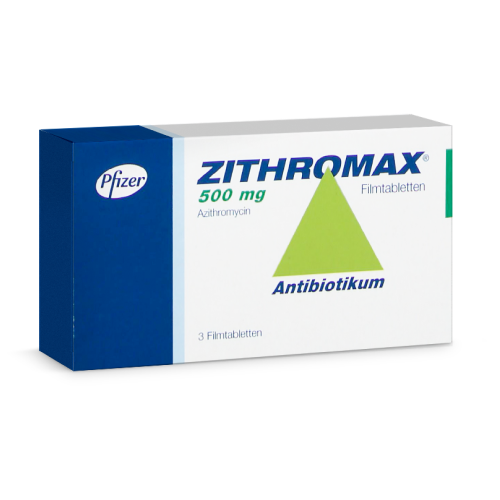
Zithromax is the original brand-name version of azithromycin, developed by Pfizer. Since the original patent has expired, several generic versions (e.g., APO-Azithromycin, Sandoz Azithromycin) are available in Australia, all regulated by the TGA for quality and bioequivalence.
- Active ingredient: Identical (azithromycin dihydrate).
- Excipients: Inactive ingredients may vary (e.g., tablet fillers, coatings), which can rarely cause allergic reactions in sensitive individuals.
- Effectiveness: All TGA-approved generics are therapeutically equivalent to the original product.
- Packaging: Colour, shape, and packaging appearance may differ.
- Cost: Generics are usually less expensive but just as effective.
Advice: If you have a known allergy to certain fillers or dyes, ask your pharmacist to check the excipient list.
Myth vs Reality: Myth: Generics are less effective. Reality: All generics approved in Australia must pass strict bioequivalence and quality checks.
How to Identify Genuine Zithromax in Australia
- Source: Only purchase Zithromax from Australian-registered pharmacies. Online pharmacies must display a valid AHPRA registration number.
- Packaging: Genuine Zithromax comes in sealed blisters or bottles with clear batch numbers, expiry dates, and TGA approval symbols. Look for high-quality printing and alignment.
- Tablets: Should be uniform in colour and shape, with consistent branding (e.g., “Pfizer” or manufacturer’s logo).
- Price: Suspiciously low prices may indicate a counterfeit product.
- Verification: Some brands include QR codes or holograms. Always check with your pharmacist if unsure.
- Risks of “grey market” imports: Counterfeit tablets may be ineffective, contaminated, or harmful. Customs may seize unauthorised imports.
If in doubt: Ask your pharmacist or report concerns to the TGA (https://www.tga.gov.au).
How to Obtain Zithromax Legally in Australia: Step-by-Step Guide
- Consult a Doctor: Book an in-person or telehealth consultation with a registered Australian GP (e.g., in Sydney, Perth, or via telemedicine platforms).
- Undergo Assessment: Your doctor will review your symptoms, medical history, allergies, and any medications you take.
- Prescription Issued: If appropriate, your doctor will write a legal prescription for Zithromax (paper or electronic).
- Choose a Pharmacy: Take your prescription to a local or TGA-registered online pharmacy. Only purchase from pharmacies that require a prescription and are based in Australia.
- Pharmacist Counselling: The pharmacist will check for drug interactions and provide usage instructions.
- Collect or Receive Delivery: Collect in person, or, if using an online pharmacy, have your medicine delivered to your home (Australian addresses only).
Important: Never use offshore online services that do not require a prescription – risk of counterfeit product, customs seizure, and legal penalty in Australia.
What To Do In Case of Zithromax Overdose
- Stop taking Zithromax immediately.
- Call emergency services (000) in Australia or go to the nearest hospital.
- Inform medical staff about the amount taken, when it was taken, and any symptoms (e.g., nausea, vomiting, hearing loss, confusion, heart palpitations).
- Take the medication packaging with you.
- Do not attempt to induce vomiting unless instructed by a healthcare professional.
Signs of overdose: Severe nausea, vomiting, diarrhoea, temporary hearing loss, confusion, rapid or irregular heartbeat.
Key advice: There is no specific antidote, so supportive hospital treatment is essential.
Questions Frequently Asked to doctor
-
Can I take Zithromax if I am allergic to penicillin?
Yes, azithromycin is unrelated to penicillins and is usually safe for those with penicillin allergy. However, let your doctor and pharmacist know about all allergies before starting. -
What if I miss a dose of Zithromax?
Take it as soon as possible unless it’s almost time for your next dose. Never double up. If unsure, contact your pharmacist for advice. -
Can Zithromax be used for COVID-19?
No, unless there is a proven secondary bacterial infection. International and Australian guidelines do not recommend antibiotics for viral COVID-19 alone. -
Can I drink alcohol while taking Zithromax?
Best to avoid alcohol during therapy, as it may worsen stomach upset or reduce your immune response. -
Are there long-term risks with Zithromax?
Courses are usually short (3–5 days). Long-term use is rare and only for specific conditions under close doctor supervision due to possible liver or cardiac side effects. -
Is Zithromax safe in children?
Yes, for certain infections and at appropriate doses. Always follow paediatric dosing and consult your GP or paediatrician. -
Does Zithromax affect contraception?
No, it does not reduce the effectiveness of the oral contraceptive pill. -
What if I vomit after taking a dose?
If you vomit within 30 minutes, take the full dose again. If vomiting occurs after an hour, do not repeat. If unsure, call your pharmacist or doctor.
Quality Check: What Should Authentic Zithromax Look Like?
- Tablets: Generally oval, film-coated, white to off-white colour. May be engraved with the manufacturer’s code.
- Packaging: Sealed blister packs or bottles, with clear expiry and batch details. TGA approval symbol and manufacturer’s details must be visible.
- Suspension: Powder for reconstitution, supplied with measuring device. Should mix to an even suspension when shaken.
- Security features: Some products include holograms or QR codes. If present, scan to verify authenticity.
- If your medicine looks unusual or different from previous packs, check with your pharmacist before use.
Suspect it’s counterfeit? Report to your pharmacy and the TGA (https://www.tga.gov.au) immediately.
Psychological Support and Patient Experience
Feeling unwell, anxious about infection, or worried about taking antibiotics is common. Remember, bacterial infections are frequent and usually treatable with the right approach. If you’re struggling with symptoms or side effects, don’t hesitate to discuss concerns with your doctor or pharmacist — support and understanding matter just as much as the medicine itself.
Involving your partner or support person can make managing your health less stressful, particularly for sensitive infections like chlamydia.
Professional Opinion of doctor
In my practice, I find Zithromax (azithromycin) especially useful for patients who need a short course of well-tolerated antibiotics for conditions like chlamydia, some respiratory tract infections, and skin infections. Its once-daily dosing and tissue penetration make adherence easier, which is critical for successful treatment. However, its use should always be targeted — not all infections respond to azithromycin, and inappropriate prescribing contributes to antibiotic resistance. In cases of known arrhythmias, severe liver disease, or drug interactions, alternative therapies like doxycycline or amoxycillin may be preferable. Ultimately, the benefit-risk balance comes down to individual circumstances, and I always recommend a personalised approach. For most otherwise healthy adults, the risks are low when taken as prescribed, but careful attention to allergies, side effects, and adherence is vital.
Frequently Asked Questions (FAQ)
- Can I obtain Zithromax in Australia without a prescription?
- No, it is illegal and unsafe. Only Australian-registered pharmacies with a valid prescription can supply it.
- How long does Zithromax take to work?
- Most people notice improvement within 24–48 hours. Always finish the full course unless advised otherwise.
- Is Zithromax safe if I have a heart condition?
- It may not be suitable for people with certain heart rhythm disorders or those taking QT-prolonging drugs. Discuss with your doctor.
- What’s the cost of Zithromax in Australia?
- Between $7 and $16 through the PBS, or $15–$30 private, depending on pharmacy and dose.
- Can I use Zithromax if I am pregnant?
- Generally considered safe but should only be used on medical advice for clear indications.
- Does Zithromax interact with the contraceptive pill?
- No, it does not reduce the effectiveness of the pill.
- What should I do if I have side effects?
- For mild side effects, continue and monitor. For severe reactions (rash, swelling, breathing difficulty), stop immediately and seek urgent medical help.
- Is it safe to drive while taking Zithromax?
- Yes, unless you develop dizziness or feel unwell, in which case avoid driving or operating machinery.
- Are generics as effective as the original Zithromax?
- Yes, all TGA-approved generics are considered bioequivalent and equally effective.
Sources
- Therapeutic Goods Administration (TGA), “Azithromycin – Product Information” https://www.tga.gov.au
- Australian Medicines Handbook 2026, “Azithromycin”
- Australian Government Department of Health, Pharmaceutical Benefits Scheme (PBS) https://www.pbs.gov.au
- PubMed (2024), “Azithromycin Use in Outpatients With COVID-19: A Randomized Clinical Trial” https://pubmed.ncbi.nlm.nih.gov
- Australian Commission on Safety and Quality in Health Care, “Antibiotic Prescribing Clinical Care Standard” https://www.safetyandquality.gov.au
- Mayo Clinic, “Azithromycin (Oral Route) Description and Brand Names” https://www.mayoclinic.org
- NPS MedicineWise, “Azithromycin: Use and Safety” https://www.nps.org.au
- Official Pfizer Zithromax product page https://www.pfizer.com.au