
- Home/
- Buy Antabuse in Online Pharmacy Australia – Fast Delivery Available
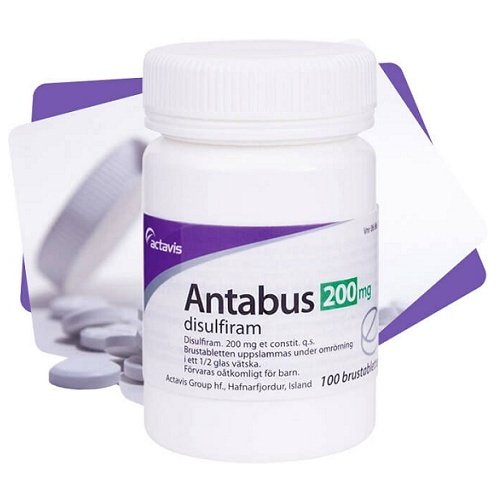
| Medication Name | Antabuse |
|---|---|
| Main Component | Disulfiram |
| Intended Use | Alcohol Dependence treatment |
| Strengths Available | 200 mg, 400 mg tablets |
| Start of Action | Within 1–2 hours after ingestion |
| Effect Duration | Up to 1–2 weeks after last dose |
| How to Take | Daily dosing, preferably in the morning |
| Prescription Status (Australia) | Prescription required |
Antabuse (Disulfiram) for Alcohol Dependence in Australia
Antabuse, with the active compound Disulfiram, is a medication designed to support people overcoming Alcohol Dependence. It is clinically approved and legally available in Australia by prescription for those seeking to maintain abstinence from alcohol. This guide explains how Antabuse works, who it suits, and the practical steps for obtaining and using it in Australia.
Alcohol Dependence: A Common and Manageable Health Issue
Alcohol Dependence is neither rare nor an individual failing; it is a recognised medical condition that affects people across Australia and worldwide. According to the Australian Institute of Health and Welfare, in 2022 around 1 in 20 Australians aged 14 and over met the criteria for alcohol dependence or abuse (Australian Institute of Health and Welfare, 2022). The World Health Organization also reports that Alcohol Use Disorders remain a leading cause of preventable illness globally. Recognising that this is a widespread, treatable condition is the first step towards effective change. There are evidence-based solutions, and Antabuse is one of several medications approved to help people sustain abstinence.
How Antabuse Acts in the Body: Mechanism and Practical Result
Antabuse works by causing a specific reaction if alcohol is consumed, making drinking unpleasant and thereby discouraging relapse. The core ingredient, Disulfiram, blocks an enzyme called aldehyde dehydrogenase, which is responsible for breaking down alcohol in the liver. When this enzyme is inhibited, even small amounts of alcohol lead to a rapid accumulation of acetaldehyde—a substance that produces flushing, nausea, heart palpitations, and headache.
- Mechanism: Disulfiram interferes with the body’s ability to process alcohol, creating strong physical symptoms if alcohol is consumed.
- Consequence: Most people taking Antabuse experience no symptoms as long as they avoid alcohol. If alcohol is consumed, effects can begin within 10–30 minutes and last several hours.
- Purpose: This creates a clear deterrent, helping users maintain abstinence by attaching uncomfortable symptoms to any drinking, making relapse less likely.
Unlike medications that reduce cravings, Antabuse does not affect the desire for alcohol directly—it works as a behavioural support tool. The knowledge of the severe reaction deters most people from attempting to drink, reinforcing a commitment to sobriety.
Who Should (and Should Not) Consider Antabuse? — Personalised Scenarios
| If this describes you… | Antabuse may be… | Reason |
|---|---|---|
| You are committed to abstaining but worry about lapses, and have support for regular medication use | A suitable choice | Antabuse works best for those ready for abstinence and able to take a daily pill under supervision or support |
| You have difficulty remembering daily medications or lack regular support | Less suitable | Missed doses reduce effectiveness; supervised or structured support is often needed for success |
| You have significant liver, kidney, or heart disease, or are currently intoxicated | Not recommended | Antabuse can increase health risks in these conditions; alternative treatments or medical clearance are necessary |
| You are looking for a medication to reduce cravings or use alcohol occasionally | Not optimal | Other medications (e.g., naltrexone, acamprosate) directly address cravings or allow controlled drinking |
This table is not exhaustive; a consultation with a specialist doctor remains essential for personalised medical advice. Antabuse is not the right fit for everyone, and individual health factors always come first.
Practicalities: How Antabuse Treatment Works in Real Life
- Initiation: Antabuse should be started when you have not had alcohol for at least 12–24 hours. Starting too soon after drinking can trigger severe reactions.
- Daily Routine: Most patients take Antabuse once daily, preferably in the morning. It can be taken with or without food.
- Support: Many people benefit from taking Antabuse under the supervision of a partner, family member, or health worker, especially during the early weeks.
- Missed Dose: If you miss a dose, take it as soon as you remember, unless it is almost time for your next scheduled dose. Never double up. A missed dose reduces protection—avoid alcohol until you are back on schedule.
- If No Effect: Antabuse does not cause effects unless alcohol is consumed. The absence of reaction is normal—unless you drink.
- Alcohol in Unexpected Sources: Many household products, mouthwashes, sauces, and even some medicines contain alcohol. Use alcohol-free versions and read labels carefully to avoid inadvertent reactions.
- Stopping Treatment: The effect of Antabuse can last up to 1–2 weeks after the last dose. Do not consume alcohol immediately after stopping; discuss the right time with your doctor.
If you experience any unusual symptoms, such as yellowing of the skin (jaundice), dark urine, or severe abdominal pain, contact your doctor promptly as these may indicate a rare liver reaction.
Health and Safety: When Antabuse Is Not for You
Contraindications: Who Should Not Use Disulfiram?
- Severe heart disease because the reaction to alcohol can trigger dangerous heart rhythms or chest pain.
- Severe liver or kidney impairment because Disulfiram is processed by the liver and kidneys, increasing the risk of toxic effects.
- Psychosis or a history of severe mental illness because Antabuse may worsen psychiatric symptoms.
- Pregnancy or breastfeeding as safety is not established for these groups.
- Recent use of alcohol because starting Antabuse too soon can cause severe reactions.
- Known allergy to Disulfiram or thiuram compounds (common in some pesticides and rubber products).
These exclusions exist to protect patient safety; alternative therapies may be available for people in these categories.
Side Effects: What to Expect, What to Watch For
- Common and usually mild: Drowsiness, metallic or garlic-like aftertaste, headache, and mild skin rashes. These often resolve on their own.
- Less common but notable: Nerve pain or tingling in hands and feet, mood changes, or mild liver function abnormalities. These require discussion with your doctor but are rarely serious.
- Rare but serious (seek urgent attention): Yellowing of eyes or skin (liver failure), severe abdominal pain, dark urine, confusion, or allergic reactions (swelling of face/tongue, difficulty breathing).
If you notice signs of a severe allergic reaction, sudden shortness of breath, chest pain, or collapse, call Triple Zero (000) immediately for emergency medical services in Australia.
Medication Interactions: What Not to Combine with Antabuse
- Alcohol-containing products: Even small amounts in sauces, desserts, or medicines can cause severe reactions. Avoid all alcohol sources.
- Metronidazole: Taking this antibiotic with Disulfiram can cause mental confusion or psychosis.
- Phenytoin and certain anticoagulants: Disulfiram can increase blood levels of these medications, raising the risk of toxicity. Your doctor will monitor and adjust doses as needed.
- Cough syrups, mouthwashes, and topical products: Many over-the-counter items contain alcohol; check labels carefully.
Always inform your healthcare provider and pharmacist about all medications and supplements you take to prevent interactions. This is especially important for chronic conditions or if you see multiple doctors.
How Does Antabuse Compare? Alternatives and Their Place
| Medication | How it works | When it is preferred | When it is limited |
|---|---|---|---|
| Antabuse (Disulfiram) | Creates strong physical reaction to alcohol to deter drinking | For those committed to abstinence and able to adhere to daily dosing | Not for those with severe liver, kidney, heart disease, or needing flexibility with alcohol use |
| Naltrexone | Reduces the pleasurable effects of alcohol and helps decrease craving | For patients wanting to reduce drinking or with repeated lapses despite abstinence goals | Not recommended for those with acute hepatitis or liver failure |
| Acamprosate | Stabilises chemical signalling in the brain to reduce post-cessation cravings | For maintaining abstinence after withdrawal; suitable for those unable to use Disulfiram | Requires three times daily dosing; not suitable if significant kidney problems exist |
Antabuse is most effective for those who can strictly avoid alcohol and benefit from external motivation against relapse. If your needs include managing cravings, flexibility, or you have certain health conditions, alternatives like naltrexone or acamprosate may be more appropriate. An honest conversation with your doctor will clarify the best approach for your situation.
Buying Antabuse in Australia: Price, Prescription, and Practicalities
Antabuse (Disulfiram) is classified as a Schedule 4 (Prescription Only) medicine by the Therapeutic Goods Administration (TGA). This means you need a valid prescription from an Australian-registered doctor. While some online vendors offer Disulfiram without a prescription, this is not recommended due to legal, safety, and counterfeit risks. Always use a registered pharmacy or licensed telehealth provider for supply.
| Cost Item | Amount | Note |
|---|---|---|
| Doctor consultation (in-person or telehealth) | $70 – $120 | Bulk-billed consultations may reduce or remove fee |
| Prescription fee (if not bulk-billed) | $10 – $20 | Some GPs include this in consult fee |
| Antabuse (Disulfiram) 200 mg, 30 tablets | $45 – $80 | Dependent on pharmacy and supplier |
| Delivery (optional, for online/telehealth orders) | $10 – $20 | Standard courier services; express may cost more |
| Total | $125 – $240 | Lowest: bulk-billed + in-person pickup; Highest: private GP + express delivery |
Prices are approximate and may vary by region and pharmacy. When using telemedicine or online pharmacies, confirm that the provider is registered with the Australian Health Practitioner Regulation Agency (AHPRA) and listed on the TGA website to avoid counterfeit or substandard medications.
Questions That Remain: How Long Should I Continue Antabuse?
The recommended duration of Antabuse therapy varies: some people use it for a few months, others for a year or more, depending on their personal progress and risk of relapse. According to clinical experience and recommendations from Australian addiction specialists, longer courses are safe if monitored, but the decision is individualised. Regular review with your treating doctor is essential to determine when and how to stop. Abrupt discontinuation is safe as long as you continue to avoid alcohol for 1–2 weeks after the last dose.
Expert advice from Dr. Mark Jessup, Addiction Specialist, Melbourne: “For most patients, regular check-ins—every few weeks at first, then less often—help adjust the plan. Antabuse is not a forever medication, but a bridge to long-term changes.”