
- Home/
- Buy Clomid at Low Price in Australia Online
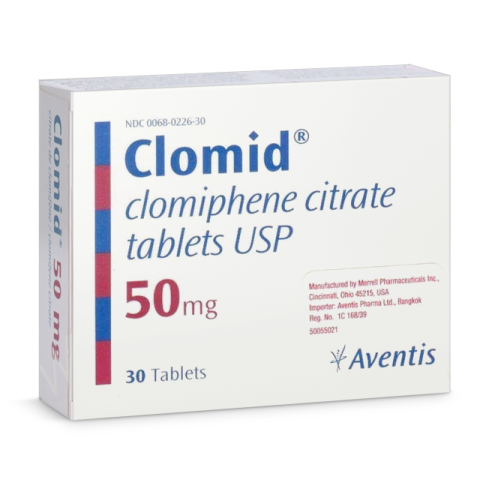
Can Clomid Be Obtained Without a Prescription in Australia?
Clomid (clomiphene) cannot be legally obtained in Australia without a valid prescription from a registered medical practitioner. It is classified as a Schedule 4 (Prescription Only) Medicine under the Therapeutic Goods Administration (TGA) guidelines. Any online or retail source offering Clomid without a doctor’s prescription is operating outside Australian law and may pose serious safety risks.
Key Takeaways
- Clomid is prescribed for certain types of female infertility, especially in women with ovulatory dysfunction.
- A prescription from an Australian-registered doctor is required to obtain Clomid legally.
- Most women start to see effects after the first or second treatment cycle, but individual response varies.
- Serious side effects are rare, but Clomid increases the risk of multiple pregnancies and should be used only under medical supervision.
- If you are considering or already struggling with infertility, it is important to seek advice from a qualified fertility specialist before starting any medication.
- Never attempt to buy Clomid from unverified sources, as counterfeit products are a known risk in Australia.
Table of Contents
- How Does Clomid Work to Treat Female Infertility?
- Why Results May Differ from Expectations: doctor’s Clinical Perspective
- How to Take Clomid: Dosage, Timing, and Duration
- Clomid and Lifestyle: Food, Alcohol, and Daily Habits
- Who Should Not Take Clomid? Contraindications Explained
- What Side Effects Are Most Common with Clomid?
- Frequent Mistakes Made During Clomid Therapy—and How to Avoid Them
- How Does Clomid Compare with Other Infertility Treatments in Australia?
- Technical Details: Clomid Reference Table
- Can Clomid Be Taken with Other Medicines or Products?
- How to Legally Obtain Clomid in Australia: Step-by-Step Guide
- Staying Safe: How to Identify Legitimate Online Pharmacies in Australia
- Spotting Counterfeit or Imported Clomid: Safety and Generics Guide
- What Happens in the Body After Taking Clomid? Pharmacokinetics Explained
- Special Patient Groups: Cautions and Adjustments
- What Should I Do If I Take Too Much Clomid?
- Psychological Support: The Emotional Side of Infertility Treatment
- Questions Frequently Asked to doctor
- doctor’s Clinical Assessment: Who Will Benefit Most from Clomid?
- FAQ: Quick Answers to Practical Questions About Clomid in Australia
- References
How Does Clomid Work to Treat Female Infertility?
Clomid (active ingredient: clomiphene citrate) is a selective oestrogen receptor modulator (SERM) that stimulates ovulation in women with certain types of infertility. At the biological level, Clomid binds to oestrogen receptors in the hypothalamus, blocking the negative feedback effect of circulating oestrogen. This “trick” leads the brain to sense a low-oestrogen environment, causing an increase in the secretion of gonadotrophin-releasing hormone (GnRH). In turn, this stimulates the pituitary gland to produce more follicle-stimulating hormone (FSH) and luteinising hormone (LH), both of which are critical for egg development and ovulation.
Metaphorically, Clomid acts as a ‘false signal’ to the body, convincing it that oestrogen levels are low—so the brain ramps up the hormonal cues required to trigger ovulation.
The effectiveness of Clomid depends on the functional integrity of the hypothalamic-pituitary-ovarian axis. It will not work in women with primary ovarian insufficiency (where the ovaries are unresponsive) or in those with pituitary or hypothalamic failure.
Recent Australian and international guidelines—including those from the Royal Australian and New Zealand College of Obstetricians and Gynaecologists (RANZCOG)—continue to support Clomid as a first-line agent for women with ovulatory dysfunction, provided there is no structural or severe hormonal abnormality [RANZCOG].
Myth: Clomid works instantly for everyone.
Reality: Clomid only helps if your body is capable of responding to increased FSH and LH. It is not effective in all forms of infertility.
Why Results May Differ from Expectations: doctor’s Clinical Perspective
As a fertility specialist, I often encounter unrealistic expectations regarding Clomid. Many patients expect to conceive immediately, but in reality, even in well-selected cases, success rates per cycle are around 20–25%, which is similar to natural conception rates for fertile couples. Some women are discouraged if ovulation does not occur in the first cycle, but it can take a few cycles to achieve an optimal response. Another common challenge is interpreting ovulation predictor kits, which can give misleading results and cause unnecessary anxiety. Patients rarely ask about monitoring for ovarian cysts or the need for ultrasound tracking—yet these are important aspects of safe Clomid therapy. I advise patients to maintain open communication with their treating doctor, to clarify realistic timelines, and to report any unusual symptoms immediately.
How to Take Clomid: Dosage, Timing, and Duration
Clomid dosing is highly individualised and should only be determined by your fertility specialist. The typical starting dose is 50 mg once daily for 5 days, starting on Day 2, 3, 4, or 5 of the menstrual cycle. If ovulation doesn’t occur, the dose may be increased in future cycles—up to a maximum of 150 mg daily. Exceeding 150 mg daily is not recommended due to increased risk of side effects [TGA].
- Clomid tablets should be swallowed whole (not split or chewed) with a glass of water, preferably at the same time each day.
- Peak effect: Ovulation typically occurs 5–10 days after completing the last dose.
- Duration: If ovulation does not occur after three cycles, further use is usually reconsidered.
- Long-term use: Prolonged therapy (beyond 6 cycles) is discouraged due to the risk of ovarian hyperstimulation and potential long-term effects.
No dose adjustments are routinely recommended for older women, but therapy is generally less effective after age 40. Dose adjustments may be needed in women with mild liver impairment—Clomid is contraindicated in moderate or severe liver disease.
Never exceed the prescribed dose or treatment duration without explicit medical advice.
Clomid and Lifestyle: Food, Alcohol, and Daily Habits
- With food or without? Clomid can be taken with or without food. High-fat meals may slow absorption slightly but do not reduce effectiveness.
- Alcohol: Moderate alcohol consumption (one standard drink or less per day) has no documented direct interaction with Clomid, but alcohol can worsen side effects such as dizziness or mood swings. Heavy alcohol use is discouraged due to potential liver toxicity and interference with fertility.
- Grapefruit juice: No direct interaction with Clomid has been demonstrated, but excessive grapefruit juice may affect liver enzymes and is best avoided.
- Caffeine: No known interaction, but excessive caffeine may exacerbate anxiety or insomnia, which can occur as Clomid side effects.
Maintain a regular sleep schedule and a healthy diet to optimise treatment outcomes. Inform your doctor about all supplements and over-the-counter medicines.
Who Should Not Take Clomid? Contraindications Explained
Absolute contraindications (Clomid must never be used):
- Unexplained abnormal uterine bleeding (until cause is diagnosed)
- Known or suspected pregnancy
- Ovarian cysts (not due to polycystic ovary syndrome)
- Liver disease or history of cholestatic jaundice
- Hypersensitivity to clomiphene or any excipient in the product
- Primary ovarian failure (non-responsive ovaries)
- Pituitary or hypothalamic dysfunction
Relative contraindications (use with caution and close monitoring):
- Endometriosis or history of ovarian enlargement
- Severe depression or psychiatric history
- Thyroid or adrenal dysfunction (must be treated before Clomid)
- Visual disturbances (as Clomid can rarely cause irreversible vision loss)
Clomid is not indicated for use in men except in rare, specialist-supervised cases.
Why? Clomid can worsen some underlying conditions, such as causing cyst rupture or affecting vision. The risk of severe ovarian hyperstimulation syndrome (OHSS) or multiple pregnancies is higher in some groups.
What Side Effects Are Most Common with Clomid?
Clomid is generally well tolerated, but side effects can range from mild and transient to rare but serious. According to the WHO Adverse Reaction Terminology:
- Very common (>1/10): Hot flushes, abdominal discomfort or bloating
- Common (1/100 to 1/10): Nausea, breast tenderness, headache, mood swings, visual disturbances (blurred vision, photophobia)
- Rare (1/10,000 to 1/1,000): Ovarian hyperstimulation syndrome (OHSS), reversible ovarian cysts, heavy menstrual bleeding
- Very rare (<1/10,000): Severe visual disturbances (may be irreversible), thromboembolic events, acute abdominal pain due to cyst rupture
Mechanism: Hot flushes and headaches result from Clomid’s anti-oestrogenic effect on the brain, while ovarian cysts are due to excessive follicular stimulation.
What to do if you experience side effects: Mild symptoms (flushing, bloating) can often be managed symptomatically, but persistent or severe symptoms (visual changes, severe pain, breathing difficulty) require immediate medical review. If you suspect OHSS or have sudden vision changes, stop Clomid and seek urgent care.
Frequent Mistakes Made During Clomid Therapy—and How to Avoid Them
- Missing Doses or Incorrect Timing: Taking Clomid at inconsistent times or missing days can disrupt the intended hormonal sequence and reduce ovulation rates. Set a daily alarm and prepare tablets in advance for each treatment cycle.
- Taking Higher Doses Without Medical Advice: Increasing the dose “for a better chance” is dangerous. Higher doses do not always improve ovulation and increase the risk of cysts and multiple pregnancies. Stick strictly to your prescribed regimen.
- Continuing Beyond Recommended Cycles: Prolonged use without reassessment can cause ovarian hyperstimulation or delays in moving to more effective therapies. Review progress with your doctor after every cycle.
- Ignoring Scheduled Ultrasounds or Blood Tests: These check for cysts, ovulation, and silent complications. Always follow up on monitoring appointments.
- Not Reporting New Symptoms (e.g., Visual Changes): Delaying communication about side effects can lead to permanent complications. Contact your doctor immediately if you experience anything unusual.
- Using Clomid Purchased Without Prescription: Unregulated sources may provide counterfeit or unsafe medication. Only obtain Clomid from licensed Australian pharmacies.
How Does Clomid Compare with Other Infertility Treatments in Australia?
Clomid is often compared with letrozole (Femara) and gonadotrophin injections. Here’s how they differ on key criteria in Australia (as of 2026):
| Medication | Onset of Ovulation | Duration of Use | Common Side Effects | Price Range (AUD, 2026) | Notes |
|---|---|---|---|---|---|
| Clomid (clomiphene) | 5–10 days after course | Up to 6 cycles | Hot flushes, headache, visual changes | $35–$60 per cycle | First-line for ovulatory dysfunction |
| Letrozole (Femara) | 5–10 days after course | Up to 6 cycles | Fatigue, joint pain | $35–$70 per cycle | Preferred in some PCOS cases |
| Gonadotrophin injections | Variable | Usually 1–3 cycles | OHSS, injection site reactions | $400–$1,200 per cycle | Used if oral agents fail |
Bottom line: Clomid remains the most cost-effective first-line option, but your doctor may recommend alternatives based on individual diagnosis, response, or side effect profile. Letrozole may be preferred in some women with polycystic ovary syndrome (PCOS), and gonadotrophins are reserved for more resistant cases.
Technical Details: Clomid Reference Table
| Parameter | Value |
|---|---|
| Active ingredient | Clomiphene citrate |
| Tablet strengths | 50 mg |
| Administration | Oral, once daily x 5 days/cycle |
| Available formulations | Tablet |
| Storage | Below 25°C; dry place |
| TGA schedule | Schedule 4 (Prescription Only) |
| Manufacturer | Various (original patent expired) |
Can Clomid Be Taken with Other Medicines or Products?
| Type of Product | Can It Be Combined? | Consequences |
|---|---|---|
| Paracetamol | Yes | No known interaction |
| Ibuprofen | Yes (short term) | May reduce ovulation if used long-term |
| Alcohol | With caution (limit intake) | May increase side effects |
| Warfarin | With caution | Monitor for bleeding; rare interactions |
| Oral contraceptives | No | Counteracts effect (blocks ovulation) |
| Herbal fertility products | Generally not recommended | Unknown safety and interaction risk |
Always inform your doctor about all medicines and supplements you are taking before starting Clomid.
How to Legally Obtain Clomid in Australia: Step-by-Step Guide
- Book a consultation with a GP or fertility specialist: You can do this in person or, in some cases, via telehealth.
- Assessment: Your doctor will conduct a full medical history, physical exam, and relevant investigations (such as hormone tests, pelvic ultrasound) to confirm that Clomid is suitable.
- Prescription: If appropriate, a prescription for Clomid will be provided. Repeat prescriptions are usually limited and require ongoing monitoring.
- Pharmacy dispensing: Take your prescription to a licensed Australian pharmacy (in person or via approved online services). Your pharmacist will verify the prescription and supply the medicine.
- Monitoring: During treatment, your doctor will arrange follow-up tests (e.g., bloods or ultrasound scans) to track response and adjust therapy as needed.
Note: Some clinics in major Australian cities (Sydney, Melbourne, Brisbane, Perth, Adelaide) offer streamlined fertility workups, often with access to specialist nurses and support staff.
Staying Safe: How to Identify Legitimate Online Pharmacies in Australia
To ensure patient safety and product quality, online pharmacies in Australia must be registered with the Pharmacy Board of Australia and operate under national and state laws. The Pharmacy Board of Australia oversees licensure and compliance.
- Legitimate online pharmacies: Require a valid Australian prescription, have a registered physical address, offer pharmacist advice, and display their AHPRA registration number.
- Warning signs of unsafe sellers: Offer Clomid without a prescription, use pricing far below Australian retail rates, lack clear contact details, or have no pharmacist available for consultation.
- Verification: Use the AHPRA register to check credentials.
- Counterfeit risks: Non-accredited sites may supply fake, expired, or non-equivalent medicines, which may be seized by Australian Border Force and pose health hazards.
Spotting Counterfeit or Imported Clomid: Safety and Generics Guide
Original Clomid in Australia (brand and generics) must have TGA-approved packaging, clear expiry date, batch number, and Australian sponsor details. Look for:
- Sturdy, intact blister packaging with consistent font and labelling
- English-language insert with TGA registration number (AUST R xxxx)
- Pharmacy label with your name and dispensing pharmacy details
- Occasionally, anti-counterfeit QR codes or holograms (depending on manufacturer)
Unusually low prices or foreign-language packaging are key warning signs of counterfeit or parallel-import products.
What about generics? In Australia, multiple brands of clomiphene citrate are approved as generics. These must meet the same quality, efficacy, and safety standards as the original product. The inactive ingredients (excipients) may differ, which could rarely cause allergies in sensitive individuals. Generics are usually less expensive. If you have a known allergy to a specific inactive ingredient, ask your pharmacist for details before starting therapy.
What Happens in the Body After Taking Clomid? Pharmacokinetics Explained
- Absorption: Clomid is well absorbed after oral administration, with peak blood levels reached in 5–7 hours.
- Metabolism: Metabolised mainly in the liver.
- Elimination: Excreted primarily via faeces, with a smaller proportion through urine.
- Half-life (T1/2): 5–7 days for the main active isomer.
Because of this long half-life, Clomid and its metabolites can remain active in the body for several weeks after discontinuation, which is why it should not be used for prolonged periods without medical supervision.
Special Patient Groups: Cautions and Adjustments
- Women over 40: Response rates decrease significantly after age 40. Clomid is rarely effective after age 45.
- Polycystic Ovary Syndrome (PCOS): Clomid may be used, but letrozole is often preferred due to higher live birth rates and lower risk of multiple pregnancies.
- Liver impairment: Clomid is contraindicated in moderate to severe liver dysfunction.
- Driving and machinery: Clomid can rarely cause blurred vision or dizziness; avoid driving or operating heavy machinery until you know how it affects you.
- Pregnancy and breast-feeding: Do not use Clomid if pregnant or breastfeeding. Always confirm you are not pregnant before starting a course.
What Should I Do If I Take Too Much Clomid?
- Stop taking Clomid immediately.
- Call 000 for emergency assistance or present to the nearest hospital emergency department.
- Inform the attending doctor of the exact amount and timing of the overdose.
- Bring the medicine packaging with you if possible.
- Do not attempt to induce vomiting unless instructed by a medical professional.
Symptoms of overdose may include nausea, vomiting, visual disturbances, abdominal pain, or ovarian enlargement. Prompt assessment is important, as severe cases may require hospital monitoring.
Psychological Support: The Emotional Side of Infertility Treatment
Infertility is a common and often distressing experience for many couples. Remember, needing help does not mean failure—these challenges are medical, not personal. Discuss your feelings with your partner, and consider seeking support from a counsellor or fertility support group. Many Australian clinics offer access to psychologists who specialise in reproductive health.
Questions Frequently Asked to doctor
- How soon should I expect to ovulate after a course of Clomid?
- Most women ovulate 5–10 days after the last tablet. However, not every woman responds immediately, so your doctor may monitor ovulation with blood tests or ultrasound.
- Is it safe to repeat Clomid cycles if I don’t get pregnant the first time?
- Yes, up to 6 cycles may be attempted, but your response will be monitored and therapy adjusted if ovulation does not occur. If there is no ovulation after three cycles, alternatives are usually considered.
- Will Clomid increase my risk of having twins or triplets?
- Clomid increases the risk of multiple pregnancies, especially twins, to about 8–10% per cycle. Triplets or higher-order multiples are rare but possible. Your doctor will discuss this risk before starting therapy.
- What monitoring is required while taking Clomid?
- Regular monitoring involves ultrasound scans to check for follicle growth and blood tests for hormonal response. This helps ensure safety and optimises the chance of conception.
- Can side effects be prevented or minimised?
- Some side effects, like hot flushes or headaches, are difficult to prevent but can be managed. Report any visual symptoms or severe abdominal pain immediately, as these may require stopping the medication.
- How do we decide when to move on to more advanced treatments?
- If there is no ovulation after three cycles, or no pregnancy after six cycles despite ovulation, your doctor will discuss more advanced options such as letrozole, gonadotrophins, or assisted reproductive techniques like IVF.
doctor’s Clinical Assessment: Who Will Benefit Most from Clomid?
In my clinical experience, women with regular or mildly irregular cycles due to anovulation—particularly those with polycystic ovary syndrome and normal ovarian reserve—are the most likely to benefit from Clomid. It remains an excellent first-line treatment for ovulatory dysfunction where other infertility factors have been excluded. However, it is less suitable for women with primary ovarian insufficiency, significant tubal disease, or partners with severe male factor infertility. In those cases, assisted reproductive technologies should be considered earlier. Key benefit-risk considerations include a woman’s age, ovarian reserve, duration of infertility, and personal risk factors for multiple pregnancies or ovarian cysts. If there is no clear response after 3–6 cycles, or if side effects outweigh benefits, I recommend reassessment and discussion of alternative therapies.
FAQ: Quick Answers to Practical Questions About Clomid in Australia
Is a prescription required for Clomid in Australia?
Yes. Clomid is a Schedule 4 Prescription Only Medicine and cannot be legally obtained without a script from an Australian-registered doctor.
How much does Clomid cost in Australia?
As of 2026, a 5-tablet course (one cycle) of Clomid typically costs between $35 and $60 AUD, depending on the pharmacy and brand (generic or original).
Can I get Clomid through telehealth or an online consultation?
Yes, provided the telehealth provider is registered in Australia and can issue an electronic prescription. The medication will still need to be dispensed by a licensed Australian pharmacy.
How effective is Clomid for infertility?
Clomid induces ovulation in approximately 70–80% of appropriately selected women, but the live birth rate per cycle is lower (15–25%). Success is higher in women under 35 who do not have other infertility factors.
How soon will I know if Clomid is working?
Your doctor will monitor ovulation in your first cycle by blood tests or ultrasound. Ovulation usually occurs 5–10 days after the last dose if Clomid is effective.
What are the most common side effects?
Hot flushes, headaches, nausea, abdominal bloating, and breast tenderness. Most are mild and transient.
Can Clomid be taken with other fertility medications?
Usually not in the same cycle. Your doctor may alternate medications (e.g., Clomid and letrozole) in different cycles, but combining them is rarely necessary.
What should I do if I miss a dose?
Contact your doctor or clinic for advice. Do not double up the next dose unless specifically instructed.
Are there any foods or drinks I should avoid while taking Clomid?
No major dietary restrictions. Limit alcohol, and avoid excessive grapefruit juice due to possible enzyme interactions, though direct evidence is limited.
Can I use Clomid if I have PCOS?
Yes, but letrozole is often first choice in Australia for PCOS-related infertility, as it may have higher success rates and fewer side effects. Your doctor will advise based on your individual circumstances.
References
- Royal Australian and New Zealand College of Obstetricians and Gynaecologists. Clinical Practice Guidelines for Ovulation Induction. Accessed June 2026. https://www.ranzcog.edu.au/
- Therapeutic Goods Administration (TGA). Australian Register of Therapeutic Goods. Accessed June 2026. https://www.tga.gov.au/
- Pharmacy Board of Australia. Registration Standards. Accessed June 2026. https://www.pharmacyboard.gov.au/
- Practice Committee of the American Society for Reproductive Medicine. Use of clomiphene citrate in the management of infertility. Fertility and Sterility, 2021. https://www.asrm.org/
- National Institutes of Health. PubMed – Recent studies on clomiphene citrate. Accessed June 2026. https://pubmed.ncbi.nlm.nih.gov/
- Australian Government Department of Health and Aged Care. Medicines and Pharmacy. Accessed June 2026. https://www.health.gov.au/