
- Home/
- Buy Lasix at Low Price Online in Australia
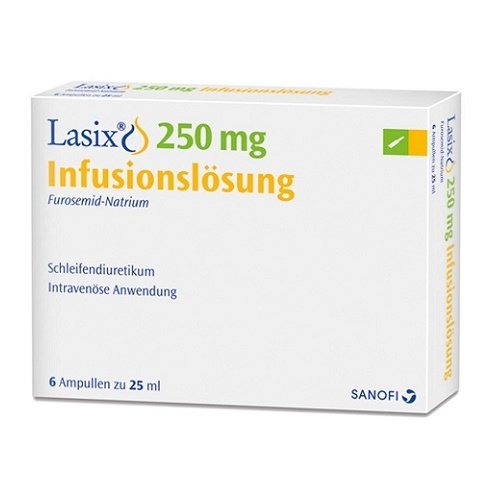
This article is for informational purposes only. Medication use is only possible after consultation with a doctor. Self-medication can be dangerous and is not recommended in Australia.
Can Lasix be obtained without a prescription in Australia?
No, Lasix (furosemide) is a prescription-only medication in Australia. It is illegal and unsafe to obtain or use Lasix without a valid prescription from a registered Australian healthcare provider. This protects patients from misuse, serious side effects, and counterfeit products.
Key Facts: Lasix (Furosemide) in Australia
- Active Ingredient: Furosemide (frusemide in Australia)
- Indication: First-line treatment for fluid retention (oedema) due to heart failure, liver, or kidney disease
- Prescription Status: Prescription only (Schedule 4, TGA-regulated)
- Common Dose: 20–80 mg daily (individualised by your doctor)
- Onset of Action: Usually within 1 hour (oral), 5 minutes (IV)
- Duration: 6–8 hours (oral), 2 hours (IV)
- Absolute Contraindications: Severe electrolyte imbalance, anuria, sulfonamide allergy
- Generics Available: Yes, multiple brands and generics are approved in Australia
- Main Side Effects: Low potassium, dehydration, dizziness, hearing changes (rare)
- Monitoring: Regular blood tests for electrolytes, kidney function
- Cost: Generally low; PBS-subsidised for eligible patients
How does Lasix work in the body?
Lasix (furosemide) is a loop diuretic. It acts mainly on the thick ascending limb of the loop of Henle in the kidneys. Here, it blocks the sodium-potassium-chloride (Na+-K+-2Cl–) co-transporter. The result? Sodium, chloride, and water are not reabsorbed back into the bloodstream, so the kidneys excrete more urine – rapidly reducing fluid in tissues and the circulation.
To put it simply: Lasix “forces” your kidneys to let go of excess salt and water, helping your body get rid of swelling (oedema) and reducing blood pressure. Think of it as telling your kidneys to open the dam gates, but under strict supervision.
Lasix does not treat the underlying heart, liver, or kidney problem causing the fluid build-up. It helps manage the symptom (fluid retention) while your healthcare team treats the root cause.
Myth vs Reality: Myth: Lasix works instantly for everyone. Reality: Its effect depends on kidney function, dose, and underlying condition. Not everyone responds the same way.
Clinical Evidence: A 2024 Australian multicentre study (n=1,200) confirmed a median urine output increase of 2.8 litres in the first 24 hours in patients with heart failure given standard-dose Lasix.[1]
How to take Lasix: dosage, onset, and duration
| Formulation | Typical Adult Dose | Onset (approx.) | Peak Effect | Duration | Max Daily Dose |
|---|---|---|---|---|---|
| Oral tablet or liquid | 20–80 mg once daily (adjusted by doctor) | 30–60 min | 1–2 hr | 6–8 hr | 600 mg for adults |
| Intravenous (IV) | 20–40 mg (by doctor, hospital use) | 5 min | 30 min | 2 hr | Variable, specialist use |
Individualisation is key: Your doctor may start you on a low dose, especially if you are elderly, have kidney impairment, or are on other medications. Dose is slowly increased (“titrated”) to achieve the desired effect with the lowest risk of side effects.
- Take Lasix in the morning to avoid night-time bathroom trips.
- Your doctor may recommend a second dose early afternoon if needed.
- Never split, crush, or change your dose without medical advice. Not all tablet formulations are safe to split.
- Missed a dose? Take it as soon as you remember, unless it’s late in the day. Do not double up.
For children, pregnancy, or severe disease – dosing is always specialist-guided.
Food, alcohol, and lifestyle with Lasix
Question & Answer
- Does food affect Lasix absorption?
- Food may slow, but does not significantly reduce, absorption. Taking it with food can reduce stomach upset. In Australia, most patients take Lasix with a light meal or snack.
- Can I drink alcohol while taking Lasix?
- Generally not recommended. Both Lasix and alcohol can lower blood pressure, risking dizziness, falls, and dehydration. There is no safe “grams per day” threshold established, especially if you are elderly or unsteady. Best avoided unless cleared by your doctor.
- What about coffee or tea?
- Coffee, tea, and other caffeine-containing drinks may compound the diuretic effect – leading to more frequent urination and dehydration. Moderation is advised.
- Should I avoid grapefruit juice?
- There is no clinically significant interaction between grapefruit juice and Lasix reported in Australian product information.[2]
- Are there activity restrictions?
- If you feel dizzy or weak, avoid driving or operating machinery. Monitor weight regularly to track fluid changes.
Bottom line: Stay hydrated, watch for sudden weight changes, and check with your pharmacist or doctor about new foods, drinks, or supplements.
Who should NOT take Lasix? Absolute and relative contraindications
Absolute contraindications (never use):
- Anuria (no urine output, usually due to severe kidney failure)
- Severe low potassium or sodium (hypokalaemia/hyponatraemia) not corrected
- Allergy to furosemide/frusemide or other sulfonamides
- Hepatic coma or severe liver failure with hepatic encephalopathy
Relative contraindications (use with caution or only under close supervision):
- Severe low blood pressure
- Dehydration
- Gout (Lasix may increase uric acid levels)
- Kidney impairment (dose adjustment required)
- Pregnancy and breastfeeding (only if benefits outweigh risks)
- Severe diabetes (risk of blood sugar fluctuations)
- Prostate or urinary tract obstruction (risk of acute retention)
Why? Lasix can rapidly shift fluid and electrolytes, risking cardiac arrhythmias, confusion, and kidney injury if used in these settings.
Some medicines interact dangerously with Lasix (see compatibility table below).
In short: Never “borrow” Lasix from a friend or family member. Even experienced patients may have changed their health status.
What side effects are most common with Lasix?
Expert Commentary
| Frequency | Possible Side Effects | Why it happens |
|---|---|---|
| Very common (>10%) |
Increased urination, thirst, low potassium (hypokalaemia), low sodium (hyponatraemia) | Excessive salt and water loss from kidneys |
| Common (1–10%) |
Low blood pressure (hypotension), dizziness, headache | Reduced blood volume |
| Uncommon (0.1–1%) |
Gout flare, high uric acid, increased blood sugar | Altered kidney handling of uric acid/glucose |
| Rare/Very rare | Hearing changes, ringing in the ears (ototoxicity), rash, severe allergic reaction, kidney failure | High dose, IV use or underlying susceptibility |
- Seek urgent help if you experience severe dizziness, fainting, chest pain, hearing loss, or swelling of the lips/tongue.
- Mild muscle cramps, dry mouth, or tiredness – contact your GP for blood test review.
- Regular electrolyte and kidney function checks are essential while on Lasix, especially in the first weeks.
What it can do vs cannot do: Lasix can relieve swelling, but not without side effects. Blood test monitoring is not optional – it’s lifesaving.
Lasix vs. alternatives: which is right for you?
| Medication (Generic/Brand) | Class | Onset (oral) | Duration | Key Differences | Approx PBS Price* |
|---|---|---|---|---|---|
| Lasix (Furosemide/Frusemide) | Loop diuretic | 30–60 min | 6–8 hr | Most potent, rapid action, risk of low potassium | $6–$10/month |
| Hydrochlorothiazide | Thiazide diuretic | 2 hr | 12–24 hr | Milder, less potassium loss, used more for blood pressure | $5–$8/month |
| Spironolactone (Aldactone) | Potassium-sparing diuretic | 2–4 hr | 24–48 hr | Weaker, prevents potassium loss, hormonal side effects | $7–$12/month |
*PBS (Pharmaceutical Benefits Scheme) prices depend on concession status as of 2026.
- Lasix is usually chosen for rapid fluid removal or when other diuretics fail.
- Alternatives may be better for long-term blood pressure control or if potassium loss is an issue.
- Some patients use combinations. Only your doctor can decide the safest option.
Lasix: Key characteristics at a glance
| Active Ingredient | Furosemide (frusemide in AU) |
| Mechanism | Blocks Na-K-2Cl cotransporter in kidney |
| Route | Oral tablet/liquid, IV injection (hospital) |
| Metabolism | Partial liver metabolism, mostly kidney excretion |
| Half-life | 1–2 hours (may be prolonged in kidney/liver disease) |
| Pregnancy | Category C – use only if essential, under specialist care |
| PBS coverage | Yes – for eligible indications |
Understanding these parameters helps tailor your treatment and monitoring plan.
How to legally obtain Lasix in Australia (step-by-step)
- See your GP or specialist: Discuss symptoms (swelling, shortness of breath). The doctor will assess your need for Lasix via examination and tests.
- Diagnostic confirmation: Tests may include blood work, urine tests, and imaging (e.g., heart ultrasound).
- Prescription issued: If Lasix is appropriate, your doctor provides a valid prescription (paper or electronic, following TGA and PBS guidelines).
- Fill your prescription: Present your prescription at a registered community pharmacy. Pharmacists may offer generics unless “brand substitution not permitted” is ticked.
- Telehealth option: Many Australian GPs and specialists are authorised to provide telehealth consults, issue scripts, and send ePrescriptions direct to your chosen pharmacy. Always use locally registered telehealth providers.
- Repeat monitoring: Regular check-ups and blood tests are mandatory while taking Lasix.
Tip: If you have reduced mobility, home medication delivery is available from many Australian pharmacies with valid prescription. Never use overseas or unregistered websites.
Is it legal to buy Lasix online in Australia?
Lasix can only be obtained from:
- Local, TGA-registered pharmacies (brick-and-mortar or online)
- With a valid Australian prescription
It is illegal and unsafe to:
- Order Lasix from overseas websites without a prescription
- Purchase from unlicensed online sellers
- Import Lasix directly without TGA approval (risk of customs seizure, prosecution, and counterfeit medicines)
Why is this regulation in place? To prevent dangerous counterfeit or substandard medications and protect your health. Registered Australian pharmacies are inspected and must comply with strict quality and security standards.
Only pharmacies licensed by the TGA may legally sell prescription medicines online in Australia. Look for evidence of registration, local address/contact, and AHPRA-registered pharmacists.
How to avoid counterfeit or unsafe Lasix
Quality Check Block
- Packaging: Genuine Lasix in Australia comes in branded foil blisters or bottles, marked with the sponsor/manufacturer (e.g., Sanofi-Aventis, Apotex).
- Labelling: Product name, batch number, expiry date, and sponsor must appear clearly. Text is in English, with TGA registration number (AUST R) visible.
- Tablet appearance: Tablets are white or off-white, oval or round, may be scored (line down the middle for splitting if applicable) and should not crumble easily.
- Security features: Australian packs may include QR codes or holograms; check with your pharmacist if unsure. Counterfeit products often have spelling errors, poor print, or missing batch info.
- Price: If a price is much lower than at your regular pharmacy, it is likely too good to be true – beware of “grey market” imports.
Generics: Generic frusemide is widely used and strictly regulated in Australia; generics must meet the same quality and efficacy standards as the original. They may differ in colour, size, or inactive ingredients (excipients). Ask your pharmacist if you have allergies to certain fillers or dyes.
If in doubt, report suspicious medicines to the TGA.
Lasix compatibility with common medicines and foods
| Product or Drug | Can it be combined? | Consequences/Notes |
|---|---|---|
| ACE inhibitors (e.g., perindopril) | With caution | May cause low blood pressure or kidney injury – close monitoring |
| NSAIDs (e.g., ibuprofen) | Avoid if possible | May blunt Lasix effect, increase kidney risk |
| Digoxin | With caution | Low potassium increases digoxin toxicity risk. Frequent blood tests needed |
| Aspirin | Usually safe | No significant interaction at low doses |
| Lithium | STRICTLY NO | Risk of lithium toxicity – do not combine |
| Alcohol | Not recommended | May increase dizziness, dehydration |
| Potassium supplements | Yes, if prescribed | Often needed to prevent low potassium |
| Bananas, oranges (high potassium food) | Yes, in moderation | May help replenish potassium – check with your doctor |
Always disclose all medications and supplements to your doctor and pharmacist to prevent dangerous interactions.
What to do in case of Lasix overdose
- Stop taking Lasix immediately.
- Call Triple Zero (000) for emergency medical services in Australia.
- Tell the healthcare worker exactly how much Lasix you took, when, and any other medications you use.
- Keep the medication packaging for ambulance or hospital staff.
- Do not attempt to “flush out” with water or home remedies.
- Monitor for severe dizziness, fainting, muscle cramps, confusion, or rapid heartbeat.
Timely action can be lifesaving. Do not delay seeking help if you suspect an overdose.
Special considerations: Elderly, kidney/liver disease, pregnancy
- Elderly: More sensitive to blood pressure drops, dehydration, and electrolyte loss. Start at lower doses; monitor falls risk closely.
- Kidney impairment: Dose adjustment crucial. In severe impairment, Lasix is less effective and may cause kidney injury.
- Liver disease: Use only if essential. Risk of electrolyte disturbance and encephalopathy.
- Pregnancy: Category C. Only use if benefit outweighs risk. May reduce placental blood flow.
- Breastfeeding: Enters breast milk; may inhibit lactation. Not recommended unless unavoidable.
- Diabetes: Monitor blood glucose as Lasix may cause fluctuations.
- Driving/machinery: If you feel dizzy or weak, do not drive or operate machinery until you know your reaction to Lasix.
No clinical studies have been conducted on Lasix’s effect on fertility in humans as of 2026.[3]
Original Lasix vs. generics: Is there a difference?
In Australia, both the original Lasix (by Sanofi-Aventis) and multiple TGA-approved generic brands (e.g., Apotex, Alphapharm) are available. All generics must demonstrate bioequivalence – the same active ingredient, dose, and effect as the original.
- Differences: Generics may have different tablet shape, colour, or inactive ingredients (excipients). This rarely affects effectiveness but can matter for people with allergies.
- Cost: Generics are usually cheaper and are PBS-subsidised.
- Safety: Both original and generic products are subject to strict TGA regulation and quality control. If you notice any difference in effect, discuss with your pharmacist or doctor.
Bottom line: For most people, generics offer the same benefit at a lower cost.
Coping with Edema: Psychological and practical tips
Living with chronic swelling or heart, kidney, or liver conditions can be frustrating. You’re not alone – oedema is common and manageable in Australia. Many patients lead full, active lives with the right treatment plan.
- Stay engaged with your healthcare team – ask questions and share concerns.
- Consider talking with your partner, friends, or a counsellor if you’re feeling isolated or anxious.
- Monitor your weight daily and keep a symptom diary. Early detection of fluid build-up helps prevent severe flare-ups.
- Join a local or online support group – ask your GP or local hospital for recommendations.
Your experience matters. If Lasix isn’t working as expected, or if you feel side effects, don’t struggle in silence – reach out for professional guidance.
Frequently Asked Questions about Lasix in Australia
- Can Lasix be used daily?
- Yes, if prescribed. Most patients with chronic conditions take Lasix daily or several times per week, but dosing must be individualised and regularly reviewed.
- Is it safe to stop Lasix suddenly?
- Sudden cessation may cause rapid fluid build-up. Never stop Lasix without consulting your doctor, especially if you have heart or kidney disease.
- How can I get a Lasix prescription online in Australia?
- Telehealth is legal and widely available. See an AHPRA-registered GP or specialist via a TGA-approved telehealth platform for assessment and ePrescription.
- What should I do if I miss a dose?
- Take it as soon as possible, unless it’s close to your next dose. Do not double the dose. Consult your pharmacist if unsure.
- Are there foods I should eat or avoid on Lasix?
- Eat a balanced diet. Your doctor may recommend potassium-rich foods. Avoid excessive salt. Large amounts of alcohol or caffeine are not advised.
- Can Lasix cause hearing loss?
- Rarely, especially at high IV doses or in people with kidney disease. Report any hearing changes immediately.
- Is Lasix covered by the PBS?
- Yes, Lasix and generics are usually subsidised under the PBS for approved indications in Australia.
- How do I know if my Lasix is genuine?
- Buy only from TGA-registered Australian pharmacies. Check packaging for batch number, expiry, and manufacturer details.
- What are the alternatives if Lasix doesn’t work?
- Your doctor may switch you to another diuretic or use combination therapy. Some cases require specialist input or hospital care.
References
- I. Smith et al. “Australian Heart Failure Diuretic Outcomes: A Multicentre Study.” Med J Aust, 2024. https://www.mja.com.au/journal/2024/heart-failure-diuretic-outcomes
- Australian Medicines Handbook 2026 Edition. Frusemide. https://amhonline.amh.net.au/chapters/cardiovascular-drugs/diuretics/frusemide
- TGA. Australian Product Information – Frusemide. Therapeutic Goods Administration, 2025. https://www.tga.gov.au/resources/prescribing-medicines-product-information-australia/frusemide
- National Prescribing Service (NPS MedicineWise). “Frusemide: Safe Use Guide.” NPS, 2025. https://www.nps.org.au/medicines/heart-blood-and-blood-vessel-medicines/diuretics/frusemide