
- Home/
- Buy Nolvadex in Online Pharmacy for Australia Residents
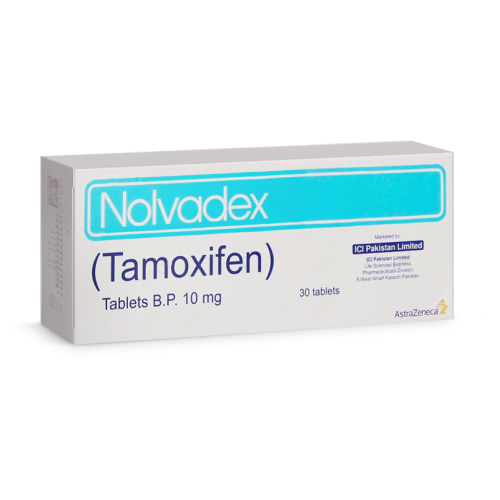
Nolvadex is a prescription medication containing tamoxifen, used primarily in Australia to treat hormone receptor-positive breast cancer in women and men. Before you read further, know this: Nolvadex is not just another cancer pill—it changes the way your body responds to oestrogen, and with that power comes both hope and complexity. Understanding its benefits, risks, and your real-world experience is the single most important step before starting treatment.
Nolvadex in Real Life: The Australian Perspective
Picture this: two women, same diagnosis—oestrogen receptor-positive breast cancer—sitting in an oncology waiting room in Sydney. One has been offered Nolvadex; the other, an aromatase inhibitor. Both are anxious, but for different reasons. The first wonders, “Is Nolvadex strong enough?” The second is worried about bone health. Their choices reflect not only tumour biology and guidelines, but also the realities of life in Australia—Medicare, PBS listings, local side effect patterns, and what daily adherence really means here.
The Australian healthcare system gives patients access to Nolvadex through specialist or GP prescription. It’s subsidised on the Pharmaceutical Benefits Scheme (PBS) for most indications, making it widely affordable compared to some newer therapies. Yet, despite its decades of proven benefit, tamoxifen (the active ingredient in Nolvadex) is not always discussed with the nuance it deserves. Many Australians think of Nolvadex as “the breast cancer pill”—simple, almost routine. The reality is more layered.
Stat: Nolvadex (tamoxifen) reduces the risk of breast cancer recurrence by around 40% in hormone receptor-positive cases, according to Australian clinical guidelines (Cancer Council Australia).
This effect is both powerful and highly personal. For men with breast cancer—a rare but real population in Australia—or premenopausal women who cannot use aromatase inhibitors, Nolvadex is often the first, best option. For others, it may be a bridge, a fallback, or a deliberate choice based on tolerability or fertility plans.
“In practice, Nolvadex is the standard against which alternatives are measured. It’s not always the newest or the flashiest, but for the right patient, it’s the reason we see long-term survivors walking out of our clinics.”
- In Australia, Nolvadex is prescription-only (Schedule 4).
- The TGA (Therapeutic Goods Administration) regulates its approval and safety monitoring.
- Generic versions of tamoxifen are available, often at lower cost, but the clinical experience is nearly identical.
Understanding Nolvadex in the context of real Australian practice means seeing beyond the label—how it’s chosen, how it’s used, and what your experience might actually be.
Is Nolvadex the Right Choice for Your Breast Cancer Journey?
Standing at the crossroads of breast cancer treatment, the decision to start Nolvadex may feel both urgent and uncertain. Many patients in Australia ask: “Why this medication, and not something newer?” The answer comes down to three intertwined factors—your tumour’s biology, your stage of life, and your personal health priorities. Nolvadex’s role is not static; it moves depending on these variables, making the choice more individual than a guideline can capture.
For premenopausal women, Nolvadex is often the first-line option because aromatase inhibitors only work if your ovaries are not producing oestrogen. For postmenopausal patients, the decision is more nuanced. Some will start with Nolvadex for reasons of bone health, cost, or previous intolerance to other drugs. Others may use it after completing a course of aromatase inhibitors.
| Attribute | Nolvadex (Tamoxifen) | Aromatase Inhibitors (Letrozole, Anastrozole) | Fulvestrant |
|---|---|---|---|
| Main Use | ER+/PR+ breast cancer; prevention in high-risk | ER+/PR+ postmenopausal, advanced/metastatic | Advanced/metastatic, postmenopausal or after progression |
| Menopause Status | Premenopausal and postmenopausal | Postmenopausal only | Postmenopausal only |
| Common Side Effects | Hot flushes, vaginal discharge, period changes, DVT risk | Joint pain, bone thinning, hot flushes | Injection site pain, hot flushes, liver function changes |
| Bone Health | May protect bone in postmenopausal women | Can reduce bone density | Neutral/uncertain effect |
| Prescription Status (Australia) | Prescription-only (Schedule 4); PBS listed | Prescription-only; PBS listed | Prescription-only; PBS listed for advanced disease |
| Cost (with PBS) | Low (approx. $6.30/month concessional; $30.00 general) | Similar | Higher |
| Formulation | Tablets (10 mg, 20 mg) | Tablets | Injection |
| Contraception Needs | Yes, due to risk of birth defects | Yes | Yes |
This table highlights what changes most for patients: Nolvadex’s unique position as an option for both pre- and postmenopausal women, its bone-sparing effects, and its established cost/access. For some, especially those who cannot tolerate aromatase inhibitors, Nolvadex is not second-best, but first choice. For others, the decision will hinge on side effect profile, personal history, or fertility planning.
Ultimately, your oncologist will personalise this choice. Yet understanding how Nolvadex compares—clinically, practically, and financially—gives you the power to ask the right questions at your next appointment.
How Nolvadex Works: Daily Life and Long-Term Results
Every morning, a small tablet; every day, the knowledge that you are actively defending yourself against your cancer returning. That’s what Nolvadex means for most Australians in treatment. Mechanistically, it’s a selective oestrogen receptor modulator (SERM). In plain English: it blocks oestrogen from fuelling breast cancer cells, but doesn’t shut down the hormone entirely elsewhere in your body. That subtlety is the source of both its main advantages and its quirks.
- Tamoxifen
- A medication that binds to oestrogen receptors, blocking oestrogen’s effect in breast tissue but acting like oestrogen in other tissues (such as bone, liver, and uterus). Marketed as Nolvadex and in generic forms in Australia.
Australian clinical guidelines recommend Nolvadex be taken once daily, usually for 5 years, with some patients advised to continue for up to 10 years based on recurrence risk. The daily reality is less dramatic than many expect. Most side effects, if they occur, are manageable. The medication is forgiving of a missed dose—take it as soon as you remember—but consistent use is critical for benefit.
- About 70% of eligible Australian women complete their full course of Nolvadex (source: Breast Cancer Network Australia).
- For every 100 women treated, about 30 will avoid a recurrence who otherwise would not have (see Cancer Council Australia).
- Long-term use reduces risk of cancer in the opposite breast and is also approved for prevention in high-risk individuals.
Yet, there are real-world issues: remembering daily tablets, managing menopausal symptoms, and working with your care team to monitor for rare but serious side effects (like DVT or uterine cancer). These are not theoretical risks—they shape the experience of living with Nolvadex in Australia. The key is not just starting, but staying on treatment long enough to get the full benefit.
Nolvadex vs. Alternatives: What Changes for You?
Choosing Nolvadex over other breast cancer medications isn’t just about what’s “best” in the abstract—it’s about what fits your life, your risk profile, and sometimes your finances. Australian treatment guidelines make room for several options, but the trade-offs are not always obvious until you are living them.
For premenopausal women, Nolvadex may be the only realistic choice. Aromatase inhibitors—letrozole, anastrozole—require ovarian suppression to work, which brings its own side effects and costs. Tamoxifen allows fertility to be maintained, with careful contraception. For postmenopausal patients, the decision often comes down to personal tolerance of side effects and concerns about bone health or cardiovascular risk.
One practical difference: Nolvadex is taken as a simple tablet, once a day, and is available at nearly every community pharmacy in Australia. Some newer drugs require injections, frequent blood tests, or may face supply shortages. In rural and regional Australia, that convenience can tip the balance.
- Nolvadex: long track record, predictable risks, lower cost
- Aromatase inhibitors: may be more effective post-menopause, but with bone risks
- Fulvestrant: reserved for advanced/metastatic disease, injectable only
Ask your doctor not just about survival rates, but about what you can expect day to day. Sometimes, the quiet reliability of Nolvadex is worth more than a marginal difference in clinical trial data.
Taking Nolvadex Day to Day: What to Expect and How to Get It Right
“I’m worried I’ll forget a dose.” “Should I take it with food?” “Will it make my periods stop?” These aren’t theoretical questions—they’re voiced daily in oncology clinics from Melbourne to Cairns. Taking Nolvadex is straightforward for most, but a few practical steps can make the experience smoother and safer.
- Adherence
- The degree to which you take your medication as prescribed, without missing doses or stopping early. For Nolvadex, missing doses occasionally is not catastrophic, but ongoing adherence is crucial for reducing cancer recurrence risk.
Nolvadex tablets (10 mg and 20 mg) can be taken with or without food, at any time of day, but ideally the same time each day to build a routine. Swallow whole with water—do not crush or split unless advised by your pharmacist. If you miss a dose and remember within 12 hours, take it. If it’s nearly time for your next tablet, skip the missed one—do not double up. Consistency is more important than clockwork precision.
| Indication | Standard Adult Dose | Duration | Comments |
|---|---|---|---|
| Adjuvant treatment of early breast cancer | 20 mg once daily | 5 years (some up to 10 years) | May split into 10 mg twice daily if GI upset |
| Metastatic breast cancer | 20–40 mg daily | Until progression or intolerance | Higher doses rarely needed |
| Breast cancer risk reduction (high-risk women) | 20 mg once daily | 5 years | Discuss risks/benefits carefully |
Dosage rarely varies by age, weight, or liver function, but always follow your doctor’s advice if you have other medical conditions. Children are not usually prescribed Nolvadex. For men with breast cancer, the same dosing applies.
- Keep your medication in its original packaging, away from humidity and heat.
- Do not stop Nolvadex suddenly without medical advice.
- Let your team know if you have trouble swallowing tablets—alternative solutions may be possible.
Building small routines—like taking your tablet with morning tea—helps anchor adherence. If you ever forget or miss more than a day, ring your clinic and ask for advice. Missing a single dose is not dangerous, but stopping for weeks can reduce the drug’s benefit.
Which Side Effects Matter Most with Nolvadex—and When to Act
Side effects are the shadow behind every cancer treatment conversation. With Nolvadex, most are manageable. However, a few are potentially serious and deserve immediate attention. The challenge is knowing which is which, and what they mean for you.
Common side effects include hot flushes, mild vaginal discharge or irritation, irregular periods, and sometimes mood changes. These are uncomfortable but rarely dangerous. Less common, but more serious, are blood clots (deep vein thrombosis or pulmonary embolism), uterine changes (including rare cancers), and eye problems (cataract risk).
Australian patients sometimes under-report symptoms, believing them to be “normal” or not wanting to bother their team. Doctors would rather hear about a minor side effect early than deal with a preventable complication later. Keep a diary if you’re unsure, and bring it to follow-up appointments.
| Side Effect | How Common? | When to Call Your Doctor |
|---|---|---|
| Hot flushes/night sweats | Very common (up to 50%) | If severe, disrupting sleep, or intolerable |
| Irregular periods | Common (20–30%) | If heavy/continuous bleeding or sudden changes |
| Vaginal discharge/irritation | Common (10–20%) | If unusual odour, colour, or pain present |
| Leg swelling/pain (DVT) | Uncommon (~1–2%) | Immediately—this may be a blood clot |
| Shortness of breath/chest pain | Rare (<1%) | Immediately—possible pulmonary embolism |
| Vision changes | Rare (<1%) | If persistent or worsening, see your doctor |
| Uterine symptoms (bleeding, pain) | Uncommon (exact risk uncertain) | Report any abnormal bleeding, pain, or new symptoms |
If you are ever unsure if a symptom is related to your medication, report it anyway. Your team would rather rule out a side effect than miss a serious complication. For those with a personal or family history of blood clots or uterine cancer, your doctor may recommend extra monitoring or an alternative therapy.
When Not to Take Nolvadex: Warning Signs and Contraindications
- You have a known allergy to tamoxifen or similar drugs
- You are currently pregnant or planning pregnancy (risk of foetal harm)
- You have a history of blood clots (DVT, pulmonary embolism) not linked to reversible risk factors
- You are taking certain medications that strongly interact (e.g., some SSRIs—ask your doctor)
Relative contraindications depend on your personal risk factors. These are situations where Nolvadex might still be used, but only with close monitoring and specialist advice:
- History of stroke or significant cardiovascular disease—Nolvadex may increase risk of clotting, so the benefits must outweigh the risks.
- Severe liver dysfunction—clearance of tamoxifen may be impaired, requiring dose adjustment or alternative therapy.
- Concurrent use of other medications that affect tamoxifen metabolism (notably some antidepressants such as paroxetine or fluoxetine). Your oncologist or pharmacist can review your list.
If you are breastfeeding, Nolvadex is not recommended—trace levels pass into breast milk, and long-term effects are unknown. Always discuss your full medical history and medication list before starting. In Australia, your doctor will check for these issues before prescribing, but you should also raise any concerns proactively.
Nolvadex Access in Australia: Prescriptions, Costs, and Practicalities
Imagine finally making your decision—Nolvadex it is. The next hurdle is practical: can you actually get it, how much will it cost, and what do you need to do to keep your supply uninterrupted? In Australia, Nolvadex is relatively easy to access, but there are a few local quirks that matter.
- PBS (Pharmaceutical Benefits Scheme)
- The Australian government program that subsidises the cost of many prescription medications, including Nolvadex, for eligible patients.
Your doctor—usually an oncologist, but sometimes a GP—writes the initial script. Repeat prescriptions are typically authorised, and you can fill them at almost any community pharmacy nationwide. Both brand-name Nolvadex and generic tamoxifen are available; generic versions are equally effective and often lower in price.
- Standard PBS patient co-payment (as of 2024): approx. $30.00 for general patients, $6.30 for concessional patients per prescription (PBS official).
- Most pharmacies stock it, but rural patients may sometimes face brief delays. Plan ahead for long trips or holidays.
- Online pharmacy options exist, but beware of non-Australian providers—importing prescription medicines without a valid script is illegal and potentially unsafe.
- If you lose your medication or need an “emergency supply”, most pharmacies can contact your prescriber or issue a limited supply at their discretion under Australian rules.
Private health insurance is not usually needed for Nolvadex, as PBS covers most of the cost. However, if you are not eligible for PBS (e.g., non-residents or certain visa holders), the full retail price—still generally affordable—applies. Always ask your pharmacist about generic options if cost is a concern.
FAQ: Nolvadex Questions Patients Actually Ask in Australia
- Can I drink alcohol while taking Nolvadex?
- Moderate alcohol use is not strictly prohibited with Nolvadex, but heavy drinking may increase liver strain and could affect how your body processes the medication. Discuss your alcohol use with your doctor if you drink regularly or heavily.
- Does Nolvadex cause weight gain?
- Some patients report mild weight gain during treatment, but large studies have not shown a direct link. Changes in metabolism, appetite, or activity after cancer treatment may contribute. Speak with your team if weight changes are significant or distressing.
- Is it safe to become pregnant after finishing Nolvadex?
- Yes, but you should wait at least two to three months after your last dose before trying to conceive, as tamoxifen can remain in your body for some time. Always discuss your fertility plans with your oncologist—it may influence your monitoring schedule or treatment duration.
- Will Nolvadex affect my periods or fertility?
- Nolvadex can cause periods to become irregular or stop entirely during treatment. Fertility is usually preserved, but contraception is necessary during use due to the risk of birth defects. Normal cycles often resume after stopping, but this is not guaranteed for all women.
- Are there foods or supplements I should avoid?
- No specific foods are banned with Nolvadex. However, avoid herbal supplements like St John’s wort, which can interfere with drug metabolism. Always check with your pharmacist before starting new supplements, as some may affect how Nolvadex is processed by your liver.
- Can I switch between Nolvadex and a generic tamoxifen?
- Yes—both contain the same active ingredient and are considered clinically equivalent. Some patients notice minor differences in tablet size or colour, but efficacy and side effect profiles are the same. If you have concerns, raise them with your pharmacist.
- What if I have trouble swallowing the tablet?
- Tell your pharmacist or doctor. Some generic brands are smaller or shaped differently, which may help. Do not crush or split the tablet unless you’ve confirmed it’s safe to do so—some formulations are designed to be swallowed whole.
- What monitoring is required while on Nolvadex?
- Regular check-ups with your doctor are essential. You’ll usually have periodic blood tests (liver function), sometimes a pelvic ultrasound (for women, to check the uterus), and review of any new symptoms. The schedule depends on your age, risk factors, and side effect history.
Sources / References
- Nolvadex Consumer Medicine Information, TGA Australia, 2024
- Therapeutic Goods Administration (TGA) Australia
- Pharmaceutical Benefits Scheme (PBS)
- Cancer Council Australia – Breast Cancer Guidelines
- Breast Cancer Network Australia
- World Health Organization (WHO)
- NHS Tamoxifen Information
- Australian Cancer Society, “Endocrine Therapies for Breast Cancer,” 2023