
- Home/
- Buy Rybelsus Without Prescription in Australia Online
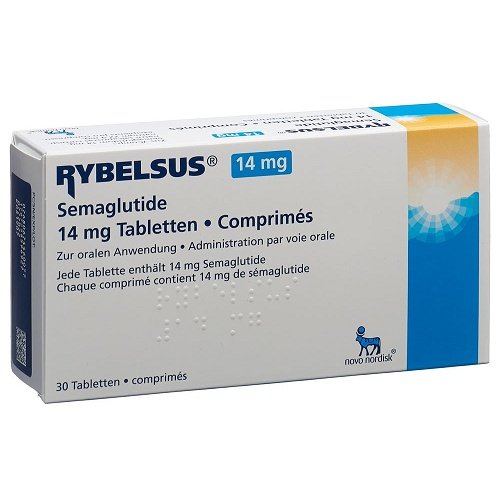
Rybelsus is an oral prescription medication for adults with Type 2 Diabetes in Australia, containing the active ingredient semaglutide. It stands out because it’s the first GLP-1 medication available as a tablet rather than an injection—making it a unique option for those looking to better control their blood sugar without needles. Before you consider Rybelsus, know this: how you take it and what you expect from it are not quite the same as with other diabetes pills—both in benefits and in side effects.
A Morning in the Life: Why Some Australians Are Asking About Rybelsus
She sits at her kitchen table with her coffee cooling beside a small, white tablet. No needles. No cold rush of insulin or the ritual of prepping a pen. This morning, her diabetes treatment feels—if only for a moment—almost ordinary. And yet, there’s nothing ordinary about the choices that led her here: years of fingerpricks, numbers, and quietly recalculating meals and expectations. For Australians living with Type 2 Diabetes, the arrival of Rybelsus—an oral semaglutide—breaks a pattern that’s been set for decades: powerful glucose-lowering drugs usually come with an injection.
But the heart of the matter isn’t the delivery. It’s trust. Is this new pill as effective as the shots? Will it fit into daily life, cost less, cause fewer side effects, or—like some medications before—bring a new set of problems?
Stat: Over 1.3 million Australians live with Type 2 Diabetes, according to the Australian Institute of Health and Welfare (AIHW).
Rybelsus arrives at a moment when more patients are asking for options that don’t upend their routines. But the promise of an oral GLP-1 is tangled with practical questions: How well does it work? Will it suit me? What does my doctor actually think? And why does it matter that semaglutide is finally available as a tablet, when so many other diabetes drugs have come and gone?
Is Rybelsus the Right Fit for You? When (and Why) Doctors Recommend It
Not every patient with Type 2 Diabetes is offered Rybelsus at their first diabetes review. This is not a first-line tablet. Instead, doctors in Australia tend to introduce Rybelsus when lifestyle changes and older oral drugs—like metformin or sulfonylureas—aren’t enough, or when weight gain and hypoglycaemia are becoming real problems with those older options. Sometimes, the reason is needle fatigue: the patient simply does not want to start weekly GLP-1 injections (such as Ozempic, also semaglutide, but in injectable form).
-
When Rybelsus is considered:
- When metformin alone doesn’t quite keep your blood sugars in target range
- If you’re overweight or at risk of cardiovascular disease (heart attack, stroke)
- If avoiding weight gain is a priority
- When injectable GLP-1s are not acceptable or are unavailable
-
When it’s less likely to be the first choice:
- Very high blood glucose needing rapid reduction
- Longstanding diabetes with severe complications
- History of pancreatitis, certain thyroid cancers, or severe gastrointestinal disease
- Inability to follow the strict dosing schedule (empty stomach, with water only, wait before eating)
Clinical guidelines in Australia (see NHMRC) frame Rybelsus as a second- or third-line agent, especially for those with a strong reason to avoid injectables. But eligibility goes beyond clinical guidelines—your doctor weighs your lifestyle, medication tolerability, and motivation to stick with a new routine. And the reality: for some, the idea of another drug is exhausting.
Inside Rybelsus: How Semaglutide Works Differently from Every Other Diabetes Tablet
Semaglutide, the active ingredient in Rybelsus, is a GLP-1 receptor agonist. Unlike older tablets—think metformin or gliclazide—it mimics a hormone your gut releases after eating, telling your pancreas to release insulin when you need it, not when you don’t. This helps control blood sugar without the wild swings into hypoglycaemia that some older drugs can cause. But Rybelsus goes further: it slows how fast your stomach empties, tamps down hunger, and—unlike many diabetes tablets—often leads to weight loss, not gain.
- GLP-1 Receptor Agonists
- Drugs that activate the GLP-1 receptor, increasing insulin release and reducing glucagon (a hormone that raises blood sugar). They also slow gastric emptying and reduce appetite.
- Semaglutide
- The active ingredient in both Rybelsus (oral) and Ozempic (injectable), with proven benefits for blood glucose and weight, and additional data for cardiovascular protection in some high-risk groups.
What sets Rybelsus apart from the injection (Ozempic) isn’t just the delivery—it’s the absorption. Semaglutide is a peptide, broken down by stomach acid. Rybelsus’ formulation uses a special absorption enhancer (SNAC) to help semaglutide pass from the stomach to the bloodstream. This makes dosing and timing more complicated and introduces individual variability: not every patient absorbs the same amount, and missing the dosing window (empty stomach, water only, 30 minutes before food) can reduce its effect.
In summary: Rybelsus is not just “another tablet.” Its mechanism—mimicking a gut hormone, helping with weight, and reducing cardiovascular risk—is a step forward for certain people with Type 2 Diabetes, but it comes with strict rules about how (and when) you take it that most diabetes pills do not.
Rybelsus vs. Your Other Options: A Table for Real Decision-Making
| Attribute | Rybelsus (Oral Semaglutide) | Ozempic (Injectable Semaglutide) | Metformin (Tablet) |
|---|---|---|---|
| Active Ingredient | Semaglutide (GLP-1 agonist, oral) | Semaglutide (GLP-1 agonist, injectable) | Metformin (biguanide, oral) |
| How It’s Taken | Tablet, once daily, strict fasting rules | Injection, once weekly | Tablet, once or twice daily, with food |
| Blood Sugar Effectiveness (HbA1c Reduction) | ~1.0-1.4% average reduction1 | ~1.2-1.8% average reduction | ~1.0-1.5% average reduction |
| Weight Change | Loss (~2-4 kg typical) | Loss (~4-6 kg typical) | Weight neutral or slight loss |
| Cardiovascular Benefit | Emerging evidence; less robust than for injectables | Strong evidence in high-risk patients | Possible benefit, less direct evidence |
| Side Effects | GI symptoms (nausea, diarrhoea), rare hypoglycaemia, rare pancreatitis | GI symptoms, rare hypoglycaemia, rare pancreatitis | GI upset, rare lactic acidosis |
| Ease of Use | Tablet, but strict empty stomach timing | Weekly injection, less frequent dosing | Tablet, taken with food; flexible |
| PBS Subsidy (Australia) | Yes, with criteria | Yes, with criteria | Yes, broadly subsidised |
| Typical PBS Patient Co-Payment (2024) | $30.00 (concession: $7.30) | $30.00 (concession: $7.30) | $30.00 (concession: $7.30) |
| When Not to Use | History of medullary thyroid cancer, severe GI disease, pregnancy, severe renal disease | Same as Rybelsus | Severe kidney dysfunction, intolerance |
| Monitoring Needed | Kidney function, symptoms, blood sugar | Kidney function, symptoms, blood sugar | Kidney function, vitamin B12 |
1HbA1c reduction refers to the average improvement in long-term blood sugar control seen in clinical trials; real-world results may vary based on genetics, adherence, and individual absorption of oral semaglutide.
What does this mean for you? Rybelsus offers a truly needle-free GLP-1 option, but requires absolute consistency with dosing time and fasting. Ozempic, the injection, tends to offer slightly better glucose control and weight loss—especially in those at high cardiovascular risk—but requires getting comfortable with weekly injections. Metformin remains the anchor drug for many, but does not offer the same weight or cardiovascular profile as semaglutide-based drugs.
Starting Rybelsus: What the First Weeks Really Feel Like
The first morning is different: no food, no coffee—just a glass of water and a pill. For many Australians who have only ever taken tablets with breakfast, the routine can feel unnatural. The first few days often pass with no change at all, but by week two, mild nausea or a sense of “fullness” may creep in. Some patients find the appetite-suppressing effect a relief; others find it unsettling. Gastrointestinal side effects are the norm, not the exception: about 1 in 5 experience nausea, though it’s usually transient.
In Australia, support from the pharmacy team is often critical in the first weeks. Pharmacists are familiar with the unique demands of Rybelsus and can help troubleshoot: what to do if you miss a dose, how to manage persistent nausea, and when to contact your doctor. Most symptoms resolve as the body adjusts, but for a few, the discomfort leads to early discontinuation—a story rarely told in the product leaflet.
The first blood tests come at 3-4 months, when the full impact on HbA1c (your long-term blood sugar marker) becomes clear. Weight loss, if it happens, is gradual; the “magic bullet” effect is rare, and expectations need to be honest. For some, the first sign that Rybelsus is working is not a number, but a cued reduction in appetite or a subtle change in their relationship with food.
Getting the Dose and Timing Right with Rybelsus: What Matters (and What Doesn’t)
Unlike most diabetes tablets, Rybelsus must be taken on an empty stomach—first thing in the morning with a sip (up to 120mL) of plain water. Then, you wait at least 30 minutes before eating, drinking, or taking any other medication. This strict rule isn’t just a suggestion: it’s essential for absorption. Skipping this step can mean you’re getting a fraction of the intended dose.
| Step | Dose | Duration | Why? |
|---|---|---|---|
| Start | 3 mg once daily | First 30 days | Reduces risk of GI side effects—this dose is not for long-term control |
| Step Up | 7 mg once daily | Ongoing | Main therapeutic dose for most patients |
| Further Increase (if needed) | 14 mg once daily | After at least 30 days at 7 mg | For those who need additional control and tolerate 7 mg well |
Higher doses do not always mean better control—side effects also increase. Doctors in Australia rarely jump to 14 mg unless the 7 mg dose is well tolerated and glucose control is still not adequate. Each step up is separated by at least a month to let the body adjust.
- If a dose is missed, skip it and take the next one at the usual time the next day. Never double up.
- Consistent timing is critical for benefit—set a reminder if needed.
- No adjustment is needed for mild-to-moderate kidney or liver dysfunction, but severe impairment is a red flag (see the “Who Shouldn’t Take” section).
Which Side Effects Matter Most with Rybelsus—and When to Act
Gastrointestinal side effects lead the list with Rybelsus. Nausea, vomiting, diarrhoea, and loss of appetite are common—sometimes even welcomed by those hoping for weight loss, but occasionally so severe that patients stop the drug. Unlike sulfonylureas or insulin, Rybelsus rarely causes hypoglycaemia on its own, but risk rises if combined with other agents.
Less commonly, Rybelsus can trigger gallbladder problems or, very rarely, raise the risk for certain thyroid cancers (medullary thyroid carcinoma). Allergic reactions are possible, but extremely rare. For most patients, the side effect profile is “front-loaded”—symptoms are most intense in the first weeks, often improving with time or dose adjustment.
| Side Effect | Frequency | When to Contact Doctor |
|---|---|---|
| Nausea | Very common (>1 in 10) | If severe, persistent, or unable to eat/drink |
| Diarrhoea | Common | If causing dehydration or lasts >3 days |
| Vomiting | Common | If severe, persistent, or signs of dehydration |
| Loss of appetite | Common | If leading to unhealthy weight loss or malnutrition |
| Abdominal pain | Less common | If severe or associated with vomiting/fever |
| Hypoglycaemia (low blood sugar) | Rare on its own; risk higher with sulfonylureas or insulin | If confusion, faintness, or unable to take sugar |
| Pancreatitis | Rare | Immediate medical attention if severe upper abdominal pain, especially with vomiting |
| Thyroid cancer | Very rare | If neck lump, hoarseness, trouble swallowing, see doctor |
Most side effects are self-limited, but knowing when to act—and not tough it out—matters. If you’re unsure, Australian GPs and pharmacists are well versed in managing the early “rough patch” of Rybelsus and can advise on whether to push through or pivot to another option.
Who Shouldn’t Take Rybelsus? Absolute and Relative Red Flags
- You have ever had medullary thyroid carcinoma (a rare thyroid cancer) or a family history of it.
- You have Multiple Endocrine Neoplasia syndrome type 2 (MEN 2).
- You are pregnant or breastfeeding.
- You have a known hypersensitivity to semaglutide or any ingredient in Rybelsus.
Proceed with Caution (Discuss with Doctor):
- Severe gastrointestinal disease, such as gastroparesis (slowed stomach emptying).
- History of pancreatitis.
- Severe kidney (renal) or liver (hepatic) impairment—Rybelsus has not been studied in these groups.
- Taking other medications with similar risk profiles (other GLP-1 agonists, DPP-4 inhibitors).
- Inability to reliably follow the strict morning dosing instructions.
If you’re uncertain about any of these, don’t start Rybelsus until you’ve discussed with your GP or diabetes specialist.
Access, Price, and Prescriptions: Navigating the Australian Healthcare Maze for Rybelsus
In Australia, Rybelsus is available by prescription only. Your doctor must determine you meet PBS (Pharmaceutical Benefits Scheme) criteria for subsidised access:
- Confirmed diagnosis of Type 2 Diabetes
- Inadequate control on at least one other oral hypoglycaemic agent (usually metformin)
- Plus, either obesity (BMI >30) or established cardiovascular disease, in most cases
- Regular review and documented HbA1c results
Stat Highlight: As of 2024, the PBS patient co-payment for Rybelsus is $30 per script (or $7.30 for concession card holders).
Without PBS subsidy, Rybelsus may cost several hundred dollars per month. Most community pharmacies in Australia carry Rybelsus, but not all—check before you run out. Some larger pharmacy chains and hospital pharmacies may have more reliable stock. Online pharmacy ordering is possible but still requires a valid prescription—no legal “over-the-counter” access exists for Rybelsus.
For ongoing access, your prescribing doctor will need to regularly review your response and side effects. Scripts issued by nurse practitioners or diabetes clinics are valid, but initial specialist consultation may be required for complex cases. Private health insurance does not usually cover out-of-pocket costs above PBS rates for subsidised indications.
Your Rybelsus Questions, Answered—Australian Edition
- How soon will I notice a difference in my blood sugar after starting Rybelsus?
- For most patients, blood sugar begins to improve within a few weeks, but the full effect (as reflected in HbA1c) is assessed after 3 to 4 months. Some notice appetite changes sooner, but changes in blood glucose aren’t usually dramatic overnight.
- What should I do if I forget to take Rybelsus in the morning?
- Skip the missed dose and resume as normal the next day. Do not double up or take it later in the day, as absorption drops sharply once you’ve eaten or drunk anything else.
- Can I take Rybelsus with other diabetes medications?
- Often, yes—Rybelsus is frequently combined with metformin and sometimes with SGLT2 inhibitors or insulin. Be aware that combining Rybelsus with sulfonylureas or insulin can increase the risk of hypoglycaemia, so monitoring and possible dose adjustments are needed.
- Is Rybelsus safe if I have kidney or liver disease?
- Rybelsus can be used with mild to moderate kidney or liver impairment, but has not been studied in severe cases. Your doctor will monitor you more closely and may recommend alternative treatments if you have significant organ dysfunction.
- Will my weight change on Rybelsus?
- Many patients lose weight, but the amount varies. Some lose 2-4 kg over several months, but not everyone experiences significant weight loss. Weight loss is generally gradual and plateaus after the first 6-12 months.
- How does Rybelsus compare to Ozempic? Can I switch between them?
- Both contain semaglutide, but Ozempic is injectable and often has slightly greater effects on blood sugar and weight. Switching is possible, but dosing is not directly equivalent—your doctor will guide the transition if appropriate for you.
- Is Rybelsus available as a generic in Australia?
- No, as of 2024, only brand-name Rybelsus is available. No generic or biosimilar oral semaglutide is approved for use in Australia at this time.
- What happens if I get severe nausea or vomiting?
- Pause the medication and speak to your doctor or pharmacist. Sometimes, symptoms improve with dose reduction or slower titration. Severe, persistent symptoms require medical review to rule out rare but serious complications like pancreatitis.
- Can I buy Rybelsus online or without a prescription?
- No. In Australia, Rybelsus is prescription-only. Any site offering the drug without a script is not operating legally or safely. Only obtain medications from a registered pharmacy with a valid Australian prescription.
References
- Therapeutic Goods Administration (TGA), Australian Government
- Pharmaceutical Benefits Scheme (PBS), Australian Government
- Australian Institute of Health and Welfare (AIHW), Diabetes Data
- National Health and Medical Research Council: Australian Clinical Guidelines for Diabetes
- Rybelsus (semaglutide) Official Information, Novo Nordisk
- Mayo Clinic: Diabetes Medication Overview
- European Medicines Agency (EMA)