
- Home/
- Buy Seroquel Without Prescription in Australia Fast Online
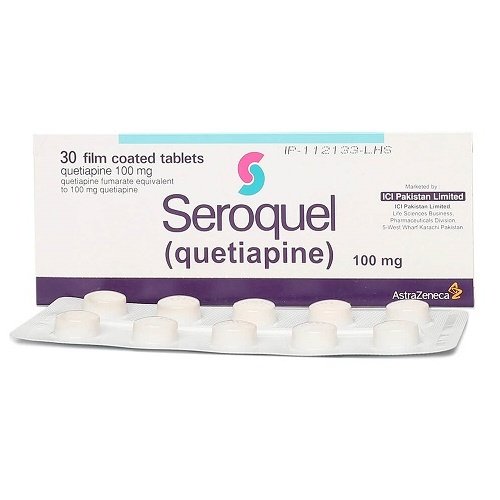
Can Seroquel Be Purchased Without a Prescription in Australia?
No, Seroquel (Quetiapine) cannot be legally obtained without a prescription in Australia. It is a schedule 4 (prescription-only) medication regulated by the Therapeutic Goods Administration (TGA). Purchasing or possessing Seroquel without a valid prescription is against Australian law and may involve health risks.
Key Takeaways: Seroquel Use and Access in Australia
- Seroquel is prescribed primarily for conditions such as schizophrenia, bipolar disorder, and severe depression where approved.
- A valid doctor’s prescription is required for all forms of Seroquel in Australia.
- The most important safety concern is the risk of sedation, metabolic changes, and potential cardiac effects, especially in vulnerable groups.
- Clinical effects are gradual—most patients begin to notice improvement over 1–2 weeks, though some symptoms may take longer to respond.
- If you experience sudden chest pain, fainting, or severe rash, seek urgent medical attention.
- Medical advice should always be sought before starting, stopping, or adjusting Seroquel therapy, especially with other medications.
How Does Seroquel (Quetiapine) Work? The Science Behind Its Effects
Seroquel (active ingredient: quetiapine) is classified as an atypical antipsychotic. Its therapeutic action involves antagonism of multiple neurotransmitter receptors in the brain, primarily:
- Serotonin 5-HT2A receptors – Blocking these reduces psychotic and mood symptoms.
- Dopamine D2 receptors – Antagonism helps reduce hallucinations and delusions.
- Histamine H1 and adrenergic alpha-1 receptors – Leading to sedation and effects on blood pressure.
- Partial agonist activity at 5-HT1A receptors – May contribute to mood stabilisation and anxiolytic effects.
On a biochemical level, quetiapine reduces excessive dopamine and serotonin activity associated with psychosis, mania, and certain mood disorders. The balance between serotonin and dopamine blockade is thought to cause fewer movement-related side effects than older antipsychotics. Its actions on other receptors explain some common side effects, like drowsiness and weight gain.
Simplified metaphor: Imagine the brain’s communication system as a busy intersection. Seroquel acts like a set of traffic signals, slowing down overactive neurotransmitter “traffic” (dopamine, serotonin) to restore balance and reduce the overload causing psychiatric symptoms.
Importantly, Seroquel does not require specific external triggers to work—it exerts its effects as long as it is present in the bloodstream at therapeutic levels.
Why Improvement with Seroquel Isn’t Always Immediate: A Clinician’s Perspective
In my practice, I’ve found that many people expect Seroquel to deliver rapid relief from distressing symptoms. However, the reality is that antipsychotic and mood-stabilising effects often emerge gradually. Some patients notice sedation within hours, which can be mistaken for therapeutic improvement, but benefits for hallucinations, delusions, or mood swings may take days or even weeks. It’s common for people to question whether the medication is “working” if symptoms persist. I encourage patients to look for subtle positive changes—better sleep, less agitation, improved self-care—before expecting dramatic shifts. The process requires patience, open communication, and regular follow-up to optimise results and minimise adverse effects.
What Is the Recommended Dosage and How Should Seroquel Be Taken?
Dosage of Seroquel is highly individualised based on diagnosis, age, severity, and patient response. Decisions are made by a psychiatrist or experienced GP. The following outlines standard regimens, but do not adjust your dose without consulting your doctor.
- Schizophrenia: Starting dose is typically 50 mg twice daily, titrated upwards to a target range of 300–450 mg daily in divided doses. Maximum dose rarely exceeds 800 mg/day.
- Bipolar Disorder (mania/depression): Usual starting dose is 50 mg at night, increasing to 300–400 mg/day depending on response and tolerability.
- Major Depressive Disorder (as adjunct): Often initiated at 50 mg/day (XR), titrated to 150–300 mg/day.
Elderly patients and those with liver or kidney impairment require lower starting and maximum doses. Abrupt withdrawal should be avoided due to potential withdrawal effects.
- Peak effect: Usually achieved within 1.5–3 hours post-dose (immediate-release), or 6 hours (extended-release).
- Duration: 12–24 hours, depending on the formulation.
- Tablet splitting: Standard (immediate-release) tablets may be split if scored, but extended-release (XR) tablets must NOT be split, crushed, or chewed.
How Does Food, Alcohol, and Lifestyle Affect Seroquel?
- Food: Immediate-release Seroquel can be taken with or without food. Extended-release (XR) should be taken without food or with a light meal, as high-fat meals increase absorption and risk of side effects.
- Alcohol: Strongly discouraged. Combining Seroquel with alcohol increases sedation, impairs judgement, and raises the risk of serious events such as falls or respiratory depression.
- Grapefruit juice: Should be avoided. Grapefruit inhibits CYP3A4, the liver enzyme that metabolises Seroquel, potentially causing dangerously high levels.
- Driving & machinery: Seroquel can cause drowsiness, so caution is needed with activities requiring alertness, especially at the beginning or when doses are increased.
Myth vs Reality:
Myth: You can drink moderately while taking Seroquel.
Reality: Even small amounts of alcohol can unpredictably amplify Seroquel’s sedative and cognitive effects.
What Are the Absolute and Relative Contraindications for Seroquel?
- Absolute contraindications (never use):
- Known allergy to quetiapine or any component of the formulation.
- Concomitant use with strong CYP3A4 inhibitors (e.g., certain antifungals like ketoconazole, some HIV medications).
- Acute poisoning with alcohol, sedatives, or opioids.
- Prolonged QT syndrome or history of serious cardiac arrhythmia (increases risk of dangerous heart rhythm disturbances).
- Relative contraindications (use with caution):
- History of seizures or epilepsy (Seroquel can lower seizure threshold).
- Severe hepatic impairment.
- Diabetes or high risk of metabolic syndrome (Seroquel can worsen blood sugar control and lipid profile).
- Cardiovascular disease, including prior heart attack (may worsen conduction disorders; typically, use after careful assessment).
- Low white blood cell count or bone marrow suppression.
- Pregnancy and breastfeeding (not routinely recommended; use only if benefits outweigh risks).
In patients with recent heart attack or unstable cardiac disease, Seroquel should only be considered under close medical supervision after full cardiac evaluation and usually not within the first few weeks post-event.
Why? Seroquel can prolong the QT interval on the ECG, raising the risk of life-threatening arrhythmias, especially when combined with other QT-prolonging drugs or in those with existing heart issues.
What Side Effects Are Most Common with Seroquel?
Side effects of Seroquel vary in frequency and severity. Not everyone will experience them. Seek medical attention for any side effect that is severe, persistent, or worrying.
- Very common (>1 in 10):
-
- Drowsiness (sedation—up to 40% of users)
- Dry mouth
- Weight gain
- Dizziness (especially on standing)
- Common (1 in 100 to 1 in 10):
-
- Constipation
- Increased appetite
- Fatigue
- Peripheral oedema (swelling of limbs)
- Increased blood triglycerides and/or cholesterol
- Elevated blood sugar levels
- Uncommon to rare (1 in 1,000 to 1 in 100):
-
- Low white blood cell count (risk of infection)
- Seizures
- Restless legs or involuntary movements (extrapyramidal symptoms)
- Abnormal heart rhythms (QT prolongation, arrhythmias)
- Severe allergic reactions (swelling, rash, anaphylaxis)
- Neuroleptic malignant syndrome (a medical emergency: fever, muscle stiffness, confusion)
What to do? For mild symptoms like drowsiness or dry mouth, discuss dose timing or management strategies with your doctor. For symptoms like severe rash, chest pain, fever, or confusion, seek emergency care immediately.
Compatibility Checklist: Seroquel and Other Medications
| Type of Product | Can It Be Combined? | Possible Consequences |
|---|---|---|
| SSRIs (e.g., sertraline) | Yes, with caution | Monitor for increased side effects |
| Benzodiazepines | Yes, but caution | Increased sedation, respiratory risk |
| Alcohol | NO | Dangerous sedation, accidents |
| Grapefruit juice | NO | Risk of overdose |
| CYP3A4 inhibitors (e.g., ketoconazole) | NO | Dangerous increase in Seroquel levels |
| Antihypertensives | Yes, with monitoring | May enhance drop in blood pressure |
Always inform your doctor and pharmacist about all medicines and supplements you take, including over-the-counter products.
What Are the Most Frequent Patient Mistakes When Using Seroquel?
- Stopping Seroquel abruptly without medical advice. This may cause withdrawal symptoms (insomnia, nausea, rebound psychosis or mania). Always taper as directed by your doctor.
- Taking Seroquel “as needed” rather than on a regular schedule. Irregular intake leads to poor symptom control and increases risk of relapse. Take it at the same time(s) each day.
- Ignoring dietary and medication interactions. Consuming grapefruit juice, alcohol, or over-the-counter sedatives without checking with a doctor can result in severe adverse effects.
- Missing follow-up appointments for blood tests and physical checks. Seroquel can affect metabolism, blood sugar, and lipids—regular monitoring is essential for safety.
- Not reporting subtle side effects early. Early intervention can prevent complications; report any new or unusual symptoms promptly.
- Splitting extended-release (XR) tablets. This can dangerously alter the dose and absorption. Only split tablets if your pharmacist confirms it is safe.
How Does Seroquel Compare with Alternative Medications?
| Drug | Onset Speed | Duration | Common Side Effects | Cost per Tablet (AUD) | PBS Subsidy |
|---|---|---|---|---|---|
| Seroquel (Quetiapine) | 1–3 hours | 12–24 hours | Sedation, weight gain, metabolic changes | $0.70–$2.00 (generic) | Yes |
| Olanzapine | Within hours | Up to 24 hours | Weight gain, diabetes risk, sedation | $0.60–$2.50 | Yes |
| Aripiprazole | 2–7 days (for mood) | 24–48 hours (longer half-life) | Less sedation, agitation, insomnia | $2.00–$4.00 | Yes |
| Risperidone | 1–2 hours | 12–24 hours | Movement symptoms, weight gain, sexual dysfunction | $0.50–$1.80 | Yes |
Key point: Seroquel is often preferred for patients sensitive to movement disorders or needing strong sedation, but it carries a higher risk for weight gain and metabolic side effects compared to some alternatives.
What Is the Pharmacokinetics of Seroquel? How Is It Processed and Eliminated?
- Absorption: Seroquel is well absorbed orally, reaching peak concentration in 1.5 hours (immediate-release) or 6 hours (XR).
- Metabolism: Extensively metabolised in the liver via CYP3A4 enzyme pathway. Liver impairment can raise blood levels of the drug.
- Elimination: Excreted mainly by the kidneys as inactive metabolites.
- Half-life (T1/2): About 6–7 hours (immediate-release), up to 12 hours (XR).
Note for those with chronic liver or kidney disease: Lower doses and careful monitoring are required.
What Should Specific Patient Groups Know About Seroquel?
- Elderly: Heightened risk of confusion, falls, and stroke. Lower starting doses are essential.
- Children and adolescents: Use is not routinely recommended outside specialist settings.
- Pregnancy/Breastfeeding: Seroquel may be considered if benefits outweigh risks, but discuss all options with your doctor. It passes into breast milk in small amounts.
- Diabetes or metabolic syndrome: May worsen blood sugar and cholesterol control. Regular monitoring is recommended.
- Driving and machinery: Seroquel impairs alertness—avoid these activities until you know how it affects you.
- Fertility: No conclusive evidence of reduced fertility, but effects on hormones are possible.
What Is the Difference Between Original Seroquel and Generic Quetiapine?
Seroquel is the original branded version of quetiapine, manufactured by AstraZeneca. Generic quetiapine is now widely available in Australia as the patent has expired. Both contain the same active ingredient and must meet strict TGA bioequivalence standards.
- Generics: Usually cheaper, subsidised by the PBS, and made by reputable manufacturers (e.g., Apotex, Sandoz). Some may have different colours, markings, or excipients (inactive binders and fillers).
- Inactive ingredients: Although rare, some people may react to colourings or binders in generics. If you experience new allergies upon switching, consult your pharmacist.
Bottom line: Most patients do just as well on generics. Cost savings are significant, and clinical effectiveness is equivalent for the vast majority.
What Does Genuine Seroquel Look Like? How to Distinguish Originals from Counterfeits
- Original Seroquel: Supplied in manufacturer-sealed blisters, with clear batch numbers and expiry dates. Packaging has AstraZeneca branding, high-quality printing, and an Australian Registration Number (AUST R) visible on the box.
- Generic quetiapine: Packaging may differ (manufacturer name, colour, shape), but will always have AUST R and be dispensed by a pharmacist with official labeling.
- Counterfeit warning signs: Unusually low price, missing batch/expiry info, spelling mistakes, inconsistent logo or artwork, or absence of pharmacy labeling.
- Verification: PBS-dispensed products in Australia include unique barcodes, and some use QR codes for tracking authenticity. Consult your pharmacist if in doubt.
How to Identify Legitimate Online Pharmacies in Australia
- Always use pharmacies registered with the Australian Pharmacy Council (APC) and displaying the Pharmacy Board of Australia logo.
- Check for a physical address in Australia and a valid ABN (Australian Business Number).
- Legitimate online pharmacies require a prescription before dispensing Seroquel.
- Be wary of sites offering Seroquel without prescription, at deep discounts, or shipping from overseas without regulatory oversight—these are typical signs of unregulated or illegal operations.
- Consult the TGA and Pharmacy Board of Australia for lists of approved online providers and reporting channels for suspected counterfeit medicines.
Step-by-Step: How to Obtain Seroquel Legally and Safely in Australia
- Step 1: Consult a qualified medical practitioner.
- Book a face-to-face or telehealth appointment with a GP or psychiatrist, especially if you are in metropolitan areas like Sydney, Melbourne, Brisbane, or via telehealth if rural.
- Step 2: Undergo a thorough clinical assessment.
- Your doctor will assess your symptoms, medical history, and any existing medications or conditions.
- Step 3: If indicated, your doctor issues a prescription for Seroquel or generic quetiapine.
- Step 4: Present your prescription at any Australian community pharmacy or accredited online pharmacy.
- Pharmacist will check for potential drug interactions and provide medication counselling.
- Step 5: Regular follow-up with your doctor to monitor effectiveness, side effects, and adjust treatment as needed.
What Should I Do If I Experience an Overdose or Severe Side Effects?
- Stop taking Seroquel immediately.
- Call 000 (emergency services in Australia) without delay.
- Provide as much information as possible: when the medicine was taken, how much, co-ingested substances, and any symptoms.
- Do not attempt to induce vomiting unless instructed by medical personnel.
- Bring the medication packaging or prescription to the hospital for identification.
Symptoms of overdose include excessive drowsiness, confusion, rapid heartbeat, low blood pressure, seizures, and in severe cases, coma or death. Prompt medical care is critical.
doctor Answers Common Patient Questions About Seroquel in Australia
- How long should I stay on Seroquel if I’m feeling better?
Most patients require several months to years of maintenance therapy, even after symptoms improve, to prevent relapse. Decisions about reducing or stopping should always be made with your doctor, considering your diagnosis and stability. - Will Seroquel make me gain weight or cause diabetes?
There is a real risk of weight gain and metabolic changes, especially with longer-term use. I recommend monitoring your weight, blood sugar, and cholesterol regularly, and seeking early advice if you notice changes in appetite or body shape. - Can I use Seroquel for sleep if I don’t have a psychiatric diagnosis?
Seroquel is not approved for primary insomnia in Australia, as risks (metabolic, cardiac, neurological) outweigh benefits for most people. Safer alternatives are usually available for sleep problems. - How is progress monitored when taking Seroquel?
I usually schedule regular review appointments. Physical checks (weight, blood pressure), blood tests (glucose, lipids, liver), and monitoring for mental health changes help guide ongoing treatment. - What should I do if I miss a dose?
If you forget a dose, take it as soon as you remember unless it’s close to your next scheduled dose. Do not double up. Missing multiple doses may destabilise your symptoms; contact your doctor if unsure. - Is it safe to take Seroquel with my other medications?
Interactions are possible. Always provide your doctor and pharmacist with a complete list of prescriptions, over-the-counter products, and supplements to check for safety. - How quickly should I expect improvement in my symptoms?
Sedation may occur within hours, but improvements in mood, thinking, or hallucinations often take one to two weeks or more. Patience and regular follow-up are crucial.
Technical Summary Table: Seroquel (Quetiapine) Product Characteristics
| Parameter | Value |
|---|---|
| Active Ingredient | Quetiapine fumarate |
| Available Strengths | 25 mg, 50 mg, 100 mg, 200 mg, 300 mg, 400 mg (tablets) |
| Formulations | Immediate-release (IR), Extended-release (XR) |
| Storage | Below 25°C, dry place, original packaging |
| PBS Subsidy | Yes, for approved indications |
| Prescription Requirement | Yes (Schedule 4) |
Practical and Emotional Support: You Are Not Alone
If you have been prescribed Seroquel or are struggling with a mental health condition, know that you are not alone. Many Australians experience similar challenges, and recovery is achievable. Discussing your journey with trusted friends, family, or seeking the support of a mental health professional can make a significant difference. Psychological and social support are just as important as medication in many cases.
Professional Clinical Assessment: When Is Seroquel the Right Choice?
As a practising psychiatrist in Australia, I find Seroquel especially valuable for patients who require both antipsychotic and mood-stabilising effects—such as those with co-occurring schizophrenia and bipolar symptoms, or where other antipsychotics are poorly tolerated due to movement-related side effects. Patients with prominent anxiety symptoms or those who struggle with sleep often find Seroquel’s sedative profile helpful, though this must be balanced against risks of drowsiness and weight gain.
Seroquel may not be the first choice for individuals at high risk of metabolic syndrome, uncontrolled diabetes, or those with severe cardiac disease; in these cases, aripiprazole or risperidone may sometimes be preferable. For elderly patients, particularly those with dementia, use is generally avoided due to increased stroke and mortality risk. Regular review is crucial: if significant side effects develop or symptoms do not improve, I will reassess and consider alternative therapies.
Frequently Asked Questions About Seroquel in Australia
Is Seroquel effective for anxiety or insomnia?
Seroquel is not approved as a first-line treatment for anxiety or primary insomnia in Australia due to safety concerns. It may be prescribed for severe cases associated with diagnosed psychiatric illness, but alternatives are often safer for sleep or mild anxiety.
What is the typical dose of Seroquel for schizophrenia?
Dose is individual but commonly ranges from 300–450 mg per day in divided doses for adults. Your doctor will tailor the dose to your needs.
Do I need a prescription for Seroquel in Australia?
Yes. Seroquel is a prescription-only (Schedule 4) medication. It is illegal and unsafe to obtain it without a doctor’s prescription.
How much does Seroquel cost in Australia?
Generic quetiapine costs approximately $0.70–$2.00 per tablet, depending on dose and brand. Most patients are eligible for subsidies under the PBS if prescribed for approved conditions.
Are there generic alternatives to Seroquel?
Yes. Several TGA-approved generics are available in Australia and are equally effective for most patients.
Can I have Seroquel delivered to my home?
Yes, if you use a licensed Australian pharmacy with a valid prescription. Online ordering is lawful and safe when using regulated providers, but always check for accreditation.
Is it safe to use Seroquel with antidepressants?
It can be combined with many antidepressants under medical supervision. Inform your doctor about all your medicines to avoid harmful interactions.
What should I do if Seroquel does not work for me?
Do not stop suddenly. Arrange a review with your doctor to discuss dose adjustments or alternative treatments.
Can Seroquel be used in children?
Seroquel is not routinely recommended in those under 18 except in rare, specialist circumstances. Paediatric use requires close specialist monitoring.
Does Seroquel cause addiction or dependence?
Seroquel does not cause “addiction” in the traditional sense but can cause withdrawal symptoms if stopped suddenly. Gradual tapering is advised under medical supervision.
References
- Therapeutic Goods Administration (TGA) – https://www.tga.gov.au
- Australian Medicines Handbook – Quetiapine Monograph.
- Product Information: Seroquel (AstraZeneca Australia) – https://medsafe.govt.nz/profs/Datasheet/s/seroqueltab.pdf
- Royal Australian and New Zealand College of Psychiatrists (RANZCP) Clinical Guidelines – https://www.ranzcp.org
- National Institute for Health and Care Excellence (NICE) – Quetiapine evidence summary: https://www.nice.org.uk
- PubMed. Recent clinical trials and reviews on quetiapine (2023–2024): https://pubmed.ncbi.nlm.nih.gov
- Australian Government Department of Health – Pharmaceutical Benefits Scheme (PBS): https://www.pbs.gov.au